
Austin Workplace Injury Lawyer
Injured on the job? You may have claims beyond workers' compensation. We explore all options to maximize your recovery for workplace injuries.
As the capital of Texas and one of the fastest-growing cities in the nation, Austin sees thousands of accidents each year. Our attorneys are familiar with local courts, judges, and the unique challenges of pursuing injury claims in the Austin area.
We serve accident victims throughout Austin, including Downtown, South Congress, East Austin, North Austin, South Austin, West Lake Hills, Mueller, Domain, Barton Hills, Zilker.
Serving Austin
Attorney Israel Medina handles your case personally
You speak directly with your attorney
Central Texas
Travis County
No Fee Unless We Win
Free consultation available
24/7 Availability
We’re here when you need us
A Workplace Injury Law Firm Built for Austin
Medina & Medina handles workplace injury cases for clients across Central Texas, where the Travis County courts have their own pace, their own customs, and their own expectations of trial counsel. A serious injury in Austin deserves a lawyer who walks into those courtrooms on a regular basis. Our consultations are free, and we charge nothing unless we win the recovery.
Local Counsel Matters in a Austin Workplace Injury Case
- Familiarity with Austin courts, judges, and local legal procedures
- Knowledge of dangerous corridors in Austin, including I-35 and US-183 (Research Blvd)
- Established relationships with trusted local medical providers and expert witnesses
- Convenient access for in-person meetings at our office near Austin
Medina & Medina combines local expertise with proven results across Central Texas. We offer free consultations to every Austin victim and charge no fee unless we win your case.
Compensation for Workplace Injury Victims in Austin
Medical Expenses
All treatment costs related to your injury
Lost Income
Wages lost while recovering
Pain & Suffering
Compensation for physical and emotional distress
Future Damages
Long-term care and lost earning capacity
Texas Statute of Limitations
Miss the deadline and a strong case becomes no case. Texas law puts a two-year ceiling on most personal injury claims, measured from the date the injury occurred. The sooner we are involved, the more we can do.
Workplace Injury Cases in Austin
Workplace Injury cases in Austin frequently arise along major corridors including I-35, US-183 (Research Blvd), MoPac Expressway (Loop 1), US-290 East. Austin has a population of over 1 million residents, making it the fourth largest city in Texas
High-risk areas in Austin include I-35 corridor through downtown Austin, US-183 and MoPac interchange, Ben White Blvd (TX-71) and S Lamar Blvd intersection, N Lamar Blvd and US-183 intersection, FM 2222 (Bull Creek Road) through the hills. If you have been injured near any of these locations, our attorneys can help.
- Austin is one of the fastest-growing major cities in the U.S., adding tens of thousands of new residents each year
- Travis County reported over 18,000 total traffic crashes in recent years, with thousands resulting in injuries
Understanding Workplace Injury Cases
Common Causes
In Austin, workplace injury cases often trace back to conditions on I-35 and near I-35 corridor through downtown Austin. Local drivers and pedestrians encounter these specific risks when navigating these corridors.
- Unsafe working conditions tolerated by management
- Lack of proper safety training for employees
- Failure to provide required personal protective equipment
- Defective tools and equipment provided by the employer
- Coworker negligence causing injuries to others
- Employer pressure to bypass safety procedures to increase productivity
Typical Injuries
Accident victims in Austin are typically transported to trauma centers including Dell Seton Medical Center at The University of Texas (Level I Trauma Center). The following injuries are common outcomes of these incidents.
- Back injuries from lifting, pulling, and carrying
- Broken bones from falls and equipment accidents
- Repetitive stress injuries from manual labor
- Chemical exposure injuries from inadequate ventilation
- Crush injuries from heavy equipment and machinery
- Burns from workplace fires and chemical contact
Establishing Liability
For workplace injury claims filed in Travis, liability often turns on evidence gathered from specific Austin locations, including I-35 corridor through downtown Austin.
Texas is unique because many employers opt out of the workers compensation system, making them nonsubscribers. Nonsubscriber employers can be sued directly for negligence and lose several key defenses, including contributory negligence and assumption of risk. Even when an employer carries workers compensation, injured workers can pursue third party claims against equipment manufacturers, subcontractors, and property owners whose negligence contributed to the injury.
Relevant Texas Law
Residents of Austin pursue these claims under the same Texas statutes that govern all state personal injury actions.
Texas Labor Code Chapter 406 allows employers to elect whether to carry workers compensation insurance, making Texas one of the few states with this opt out provision. Nonsubscriber employers are subject to common law negligence suits under Texas Labor Code Section 406.033, which removes the defenses of contributory negligence, assumption of risk, and fellow servant doctrine. Third party liability claims are preserved under Texas Labor Code Chapter 417 even for employees receiving workers compensation benefits.
Ready to discuss your case?
Free consultation. No fee unless we win.
Local Resources and Courts in Austin
Travis County Civil Courthouse, 1700 Guadalupe St, Austin, TX 78701
Personal injury civil cases in Austin are filed in the Travis County District Courts. Travis County has multiple district courts handling civil matters, located at the Travis County Civil Courthouse in downtown Austin.
Nearby Hospitals and Trauma Centers
- Dell Seton Medical Center at The University of Texas (Level I Trauma Center)
- St. David's South Austin Medical Center
- Ascension Seton Medical Center Austin
- St. David's North Austin Medical Center
Free Case Evaluation
Get a free review of your case in minutes.
Or call now
(512) 500-2810Why These Cases Matter in Austin
Austin's workforce has changed faster than its safety regulations. The city has been one of the fastest growing major metros in the country for more than a decade, and that growth has been carried by construction crews working through Travis County summers, by warehouse and logistics workers stocking the Domain and East Austin distribution corridors, and by tech-campus subcontractors handling electrical, HVAC, and finish-out work on buildings that were under design two years ago and are open to occupants this quarter. The pace creates pressure. Pressure produces injuries.
Texas led the country in workplace fatalities in 2024, and the construction sector accounted for roughly twenty-two percent of all on-the-job deaths in the most recent Texas Department of Insurance census.[1] Heat is a particular Austin problem. Texas has no statewide rule requiring water breaks for outdoor workers, and a 2023 state law nullified the Austin city ordinance that had required ten minutes of rest every four hours.[2] OSHA's federal heat rule remains in proposed form. Until it takes effect, an Austin worker who collapses on a roof in August has fewer protections than the same worker would have had three years ago.
Workplace injury cases in Austin run from the obviously catastrophic, falls from height, crush injuries, electrocution, to the slow-developing claims tied to repetitive lifting in warehouse work or chemical exposure on subcontractor sites. The legal posture matters. Most Texas employers carry workers' compensation, which limits direct claims against the employer but leaves third-party defendants, equipment manufacturers, general contractors who cut corners, premises owners who failed to barricade hazards, fully exposed. We pursue those third-party claims while coordinating the workers' compensation track in parallel. The recovery is usually larger and the timeline is rarely faster.
Local Risk Factors
- I-35 Capital Express expansion and other ongoing TxDOT projects through Travis County put flaggers, equipment operators, and concrete crews in close proximity to live traffic
- Domain and East Austin mid-rise construction sites with crane operations, scaffolding work, and fall-from-height exposure, particularly during the framing and exterior phases
- Tech campus build-outs and tenant fit-outs across North Austin where subcontractor coordination failures lead to electrical, lift-truck, and ladder injuries
- Outdoor heat exposure during Travis County summers without statewide rest break requirements, with documented Texas worker heat fatalities every year
- Warehouse and last-mile distribution facilities in East Austin and along SH-130 where forklift, conveyor, and lifting injuries are routine
- Non-subscriber employers (Texas employers who opt out of workers compensation) creating direct negligence claim paths but also harder collection challenges
Where Austin Victims Recover
Dell Seton Medical Center at The University of Texas
trauma
The only adult Level I Trauma Center in the eleven-county Central Texas region. Verified by the American College of Surgeons. Primary destination for severe Austin workplace injuries including crush trauma, electrocution, and falls from height.
St. David's Round Rock Medical Center
trauma
Level II Trauma Center in northern Travis County serving construction and warehouse workers along the I-35 north corridor and tech campus zones.
Texas Mutual Insurance Company
support
The largest workers compensation carrier in Texas. Their adjusters and SIU investigators are involved in most subscriber claims out of Austin job sites. Their network of approved providers shapes the medical narrative of nearly every Austin workers comp case.
Workers Defense Project
support
Austin-based worker advocacy organization tracking construction site safety incidents and offering injured-worker resources, particularly for Spanish-speaking laborers in the Travis County construction industry.
The Workplace Injury Pattern in Austin
Texas is the only state in the country where private employers can legally opt out of the workers compensation system, and that single fact reshapes every workplace-injury case in Austin. Texas Labor Code section 406.002 makes subscription optional. A subscriber employer enjoys the exclusive-remedy bar under Labor Code section 408.001; a non-subscriber employer loses contributory negligence, assumption of the risk, and the fellow-servant rule under Labor Code section 406.033, and the asymmetry produces dramatically different case values on otherwise identical injuries. The Austin construction boom has produced a steady volume of falls from height on the downtown high-rises and the Domain mixed-use projects, multifamily framing falls in east Austin and Pflugerville, and tech-corridor contractor incidents on the Apple, Indeed, and Oracle campus footprints. Many of the smaller framing and trade subcontractors carrying that volume are non-subscribers, which is the first detail that determines case value.
Beyond the downtown and Domain high-rise corridors, the multifamily framing volume across east Austin, Pflugerville, and the southeast quadrant produces the fall-from-height, struck-by, and caught-between case subset that dominates the catastrophic-injury docket. The North Austin tech corridor adds its own pattern with mechanical, electrical, and plumbing contractor injuries on the Apple, Indeed, and Oracle campus build-outs, electrocution incidents tied to live-circuit work that the safety plan said would be de-energized, and forklift and lift-equipment incidents in the staging yards. Repetitive-motion and crush incidents in the I-35 corridor distribution centers serving Amazon and FedEx ground operations round out the docket. Heat illness during the long Central Texas summers becomes a recurring subset on roofing, roadway-construction, and outdoor framing crews. Dell Seton Medical Center at The University of Texas, the only adult Level I Trauma Center in the eleven-county Central Texas region, sits in downtown Austin at Red River Street and receives the catastrophic workplace injuries from across the metro.
Subscription verification is the early move that drives the rest of the case. The Texas Department of Insurance Division of Workers Compensation maintains an employer search that confirms whether subscription was actually in force on the date of injury, and the carriers occasionally claim subscription that the TDI-DWC record does not support. Notice deadlines under Labor Code section 409.001 run on a thirty-day clock for employer notice and a one-year clock for filing the claim, and both are strict and frequently litigated. For a subscriber employer, the worker has comp benefits as the exclusive remedy against the employer, but the third-party claims against equipment manufacturers, premises owners, and other contractors on the site remain available, and those third-party claims often carry the meaningful recovery. For a non-subscriber, the employer is liable in tort and the common-law defenses are gone, which routinely produces a multiple of the subscriber-equivalent recovery on the same facts. OSHA standards under 29 CFR Parts 1910 and 1926 supply the negligence-per-se hooks against non-subscriber employers and third-party premises owners, with OSHA Region 6 maintaining active inspection presence across the Austin construction sector.
Travis County district courts at 1700 Guadalupe Street hear these matters, and the venire on an Austin workplace case is urban, educated, and historically among the most receptive in the state to clear-liability cases against corporate defendants with documented safety failures. The multi-defendant contractor chain on a downtown high-rise or Domain matter routinely includes the general contractor, the framing or trade subcontractor employing the worker, the equipment manufacturer, and the premises owner, with the Civil Practice and Remedies Code Chapter 95 control test under section 95.003 driving the property-owner-liability analysis. Texas Mutual Insurance Company handles most subscriber workers comp on the Austin construction book; the defense roster recurs from Thompson Coe Cousins and Irons, Naman Howell Smith and Lee, and MehaffyWeber on the carrier and contractor side. Aggregate Travis County non-subscriber workplace verdicts in the last five years have run from roughly $150,000 in moderate-injury cases with strong comparative-fault arguments to over $8 million in catastrophic-injury cases with documented safety-program failures, with the non-subscriber subscriber differential driving substantial spread on otherwise comparable injuries. The OSHA citation history, the site safety plan, the JSA documentation, the toolbox-talk attendance logs, and the post-incident interview record are the early-evidence targets, because the case file that survives an Austin workplace defense is built on documented duty and documented breach, not on injury severity alone.
Verdict and Settlement Bands
Travis County non-subscriber workplace verdicts have ranged from $150,000 (moderate-injury cases with strong comparative-fault arguments) to over $8 million (catastrophic-injury cases with documented safety-program failures), with non-subscriber subscriber differential driving substantial spread in otherwise-comparable cases.
How These Cases Arise
Texas is the only state where employers can legally opt out of the workers compensation system, and that single fact shapes every workplace-injury case we handle. Falls from height on construction sites, particularly multifamily framing in the high-growth metros, dominate the catastrophic-injury volume. Caught-in and caught-between equipment injuries (forklifts, presses, and conveyor systems) produce amputations and crush injuries. Repetitive-motion injuries in distribution centers along the I-35 and I-45 corridors are surging as the Amazon and FedEx ground footprints expand. Heat illness, especially in oil-field, roofing, and roadway-construction settings, becomes life-threatening every summer.
- Downtown and Domain high-rise construction falls from height
- East Austin and Pflugerville multifamily framing falls and struck-by incidents
- North Austin tech-corridor contractor electrocution and machinery incidents
The Injury Picture
The injury picture varies sharply by industry. Construction yields catastrophic falls, crush injuries, and electrocutions; the warehouse and distribution sector yields shoulder, back, and repetitive-stress injuries; the oil-and-gas sector yields burns, traumatic amputation, and chemical exposure. The common thread is that the medical posture is often complicated by the worker's reluctance to seek care immediately, which carriers exploit later in causation arguments.
The Liability Framework
For workers whose employer subscribes to workers comp under Texas Labor Code § 406.002, the comp system is the exclusive remedy against the employer; third-party claims against equipment manufacturers, premises owners, and other contractors remain available. For non-subscriber employers, the employer is liable in tort but loses common-law defenses including contributory negligence, assumption of the risk, and the fellow-servant rule (Labor Code § 406.033). That asymmetry makes non-subscriber cases substantially more valuable per equivalent injury.
Where This Case Would Be Filed
Subscriber status must be verified through the Texas Department of Insurance Division of Workers Compensation employer search; the non-subscriber defense advantage under Labor Code § 406.033 is a major value multiplier on identical injuries.
Procedural Notes
Non-subscriber status must be verified through the Texas Department of Insurance Division of Workers Compensation employer search; carriers occasionally claim subscription that is not actually in force at the time of injury. Notice requirements under Labor Code § 409.001 (30 days for employer notice; one year for filing the claim) are strict and frequently litigated.
Our Reach in Travis County
Our attorneys have handled personal injury cases in the Travis County District Courts for years, including jury trials and pretrial dispositions in both the civil district courts at the Heman Marion Sweatt Courthouse and the County Courts at Law.
The Local Jury
Travis County juries are urban, educated, and politically progressive, historically plaintiff-friendly in clear-liability soft-tissue and commercial-trucking cases, but skeptical of damages claims they perceive as inflated. Defense bar has adjusted scheduling to push toward the late-fall dockets where college schedules thin the venire.
Local Reference Points
- • Downtown high-rise construction (Republic Square, Block 185 area)
- • The Domain multifamily and commercial construction
- • North Austin tech corridor (Apple, Indeed, Oracle areas)
How Else We Help in Austin

Slip and Fall
Holding property owners accountable

Premises Liability
Dangerous property condition claims
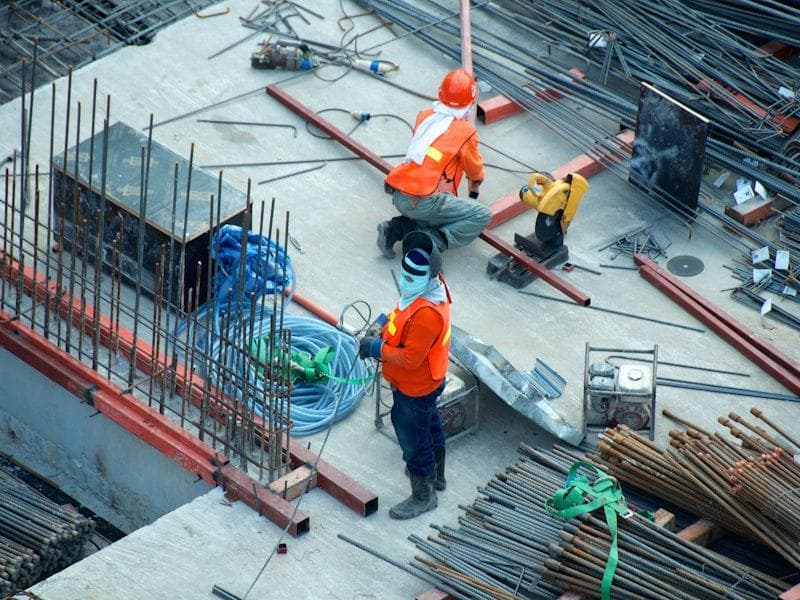
Construction Accident
Construction site injury claims

Dog Bite
Animal attack injury claims

Car Accident
Expert legal help for car crash victims

18-Wheeler Accident
Advocating for trucking accident victims

Truck Accident
Specialized truck accident representation

Motorcycle Accident
Dedicated advocacy for injured riders
More Related Practice Areas and Cities
Helpful Reading for Austin Clients
Types of Compensation in Texas Personal Injury Cases
Understanding what damages you can recover helps you evaluate settlement offers. Learn about economic and non-economic damages.
Legal GuideHow Long Do I Have to File a Personal Injury Lawsuit in Texas?
Missing the deadline to file your lawsuit can bar you from recovering any compensation. Learn about Texas statute of limitations.
Legal GuideUnderstanding Medical Bills After an Accident
After an accident, medical bills can pile up fast. Understanding who pays, how insurance works, and what a letter of protection means can protect your financial future and your legal claim.
Cities We Serve Near Austin







Frequently Asked Questions in Austin
Get medical attention first. Dell Seton Medical Center at The University of Texas (Level I Trauma Center) is the closest level of care most Austin clients use for serious cases, and a written record from the date of the incident is one of the most valuable pieces of evidence we ever obtain. From there, document the scene with photographs, collect contact information for any witness who saw what happened, and avoid giving any recorded statement to an insurance adjuster until you have spoken with a lawyer. Back injuries from lifting, pulling, and carrying often takes days to fully present, which is another reason early documentation matters.
Most personal injury cases brought by clients in Travis are filed in the county district courts, with Travis County Civil Courthouse, 1700 Guadalupe St, Austin, TX 78701 serving as the principal venue. Each Travis bench runs its docket a little differently, and the local rules on scheduling, mediation, and pre-trial conferences vary from court to court. Our attorneys are in those courtrooms often enough that we plan around those rhythms rather than reacting to them.
Trauma care in Austin is concentrated at facilities including Dell Seton Medical Center at The University of Texas (Level I Trauma Center), St. David's South Austin Medical Center, and Ascension Seton Medical Center Austin. Common injuries treated at these centers include Back injuries from lifting, pulling, and carrying, Broken bones from falls and equipment accidents, and Repetitive stress injuries from manual labor. Choosing a hospital with experience in your specific injury type can affect both your recovery and the medical documentation that supports your claim.
Texas Civil Practice and Remedies Code Section 16.003 sets a two-year statute of limitations on most personal injury claims. The clock usually starts on the date of injury. Exceptions apply for minors, discovery-rule cases, and claims against government entities. Consult an attorney promptly to preserve your options.
There is no single cause, but Unsafe working conditions tolerated by management comes up often enough in the Austin cases we handle that it is one of the first things we look for. Geographically, I-35 and I-35 corridor through downtown Austin are recurring locations, and the conditions specific to those places, road design, traffic volume, lighting, and signage, all factor into liability. We build the evidentiary record with crash reports, witness statements, and any available video before adjusters can lock in their version of events.
Daily familiarity with the courthouse and the community. Our team works Travis matters week in and week out, which means we know the bench at Travis County Civil Courthouse, 1700 Guadalupe St, Austin, TX 78701 on a first-name basis and we know how juries pulled from Downtown, South Congress, and East Austin tend to read a personal injury case. That continuity affects everything from how we schedule depositions to how we frame opening statements.
Your Austin Workplace Injury Case Starts With a Conversation
Tell us what happened. A Austin workplace injury lawyer at our firm will look at your case for free, give you a straight answer on what it is worth, and only take a fee if we put money in your hands.