
Dallas Traumatic Brain Injury Lawyer
Brain injuries can change your life forever. We understand the long-term medical care, therapy, and support TBI victims need and work to secure compensation for lifetime care.
Dallas is one of the largest cities in Texas with complex highway systems and high traffic volume. Our attorneys handle serious injury cases throughout the Dallas-Fort Worth metroplex.
Serving Dallas
Attorney Israel Medina handles your case personally
You speak directly with your attorney
North Texas
Dallas County
No Fee Unless We Win
Free consultation available
24/7 Availability
We’re here when you need us
Trial-Ready Traumatic Brain Injury Counsel Serving Dallas, Texas
Hurt in a traumatic brain injury somewhere in Dallas? The next decision you make matters more than the last one. Medina & Medina represents injury clients across North Texas, regularly appearing in the Dallas County courts that will decide your case. We will look at it for free, and you owe us nothing unless we win.
What a Local Dallas Traumatic Brain Injury Lawyer Brings to the Case
- Familiarity with Dallas courts, judges, and local legal procedures
- Knowledge of dangerous corridors in Dallas, including I-35E and I-30
- Established relationships with trusted local medical providers and expert witnesses
- Convenient access for in-person meetings at our office near Dallas
Medina & Medina combines local expertise with proven results across North Texas. We offer free consultations to every Dallas victim and charge no fee unless we win your case.
Compensation for Traumatic Brain Injury Victims in Dallas
Medical Expenses
All treatment costs related to your injury
Lost Income
Wages lost while recovering
Pain & Suffering
Compensation for physical and emotional distress
Future Damages
Long-term care and lost earning capacity
Texas Statute of Limitations
In Texas, you generally have two years from the date of your injury to file a personal injury lawsuit. Don’t wait. Contact us today to protect your rights.
Traumatic Brain Injury Cases in Dallas
Traumatic Brain Injury cases in Dallas frequently arise along major corridors including I-35E, I-30, US-75 (Central Expressway), I-635 (LBJ Freeway). Dallas has a population of approximately 1.3 million residents, making it the third largest city in Texas and ninth largest in the United States
High-risk areas in Dallas include I-35E and I-30 (Mixmaster) interchange, I-635 (LBJ Freeway) corridor, US-75 (Central Expressway) through North Dallas, I-30 through East Dallas, Stemmons Freeway (I-35E) near the Design District. If you have been injured near any of these locations, our attorneys can help.
- Dallas County consistently ranks among the top counties in Texas for traffic fatalities, with over 200 fatalities in recent years
- The Dallas-Fort Worth metroplex is one of the fastest-growing metro areas in the nation, with over 7.5 million residents in the combined metro
Understanding Traumatic Brain Injury Cases
Common Causes
In Dallas, traumatic brain injury cases often trace back to conditions on I-35E and near I-35E and I-30 (Mixmaster) interchange. Local drivers and pedestrians encounter these specific risks when navigating these corridors.
- High speed motor vehicle collisions
- Falls from heights at construction sites or workplaces
- Pedestrian and bicycle accidents
- Assaults and violent attacks
- Sports and recreational impacts
- Falling objects striking the head at work sites
Typical Injuries
Accident victims in Dallas are typically transported to trauma centers including Parkland Memorial Hospital (Level I Trauma Center). The following injuries are common outcomes of these incidents.
- Diffuse axonal injury from rotational brain forces
- Cerebral contusions and brain bleeding
- Skull fractures with underlying brain damage
- Cognitive impairment affecting memory and concentration
- Personality changes and emotional instability
- Seizure disorders developing after the initial injury
Establishing Liability
For traumatic brain injury claims filed in Dallas, liability often turns on evidence gathered from specific Dallas locations, including I-35E and I-30 (Mixmaster) interchange.
Traumatic brain injury cases require expert medical testimony to establish the full extent of the injury and its long term consequences. Neuropsychological testing, advanced imaging such as DTI MRI, and life care planning experts help demonstrate the true cost of a brain injury over the victim lifetime. Because brain injuries are often invisible to the naked eye, building a compelling case requires connecting the objective medical evidence to the victim daily functional limitations.
Relevant Texas Law
Residents of Dallas pursue these claims under the same Texas statutes that govern all state personal injury actions.
Texas Civil Practice and Remedies Code Section 16.003 provides a two year statute of limitations, but the discovery rule may extend this when brain injury symptoms are not immediately apparent. Texas allows recovery for future medical expenses, lost earning capacity, and pain and suffering, all of which can be substantial in TBI cases. Life care plans projecting decades of future treatment needs are routinely admitted in Texas courts to establish the full value of brain injury claims.
Ready to discuss your case?
Free consultation. No fee unless we win.
Local Resources and Courts in Dallas
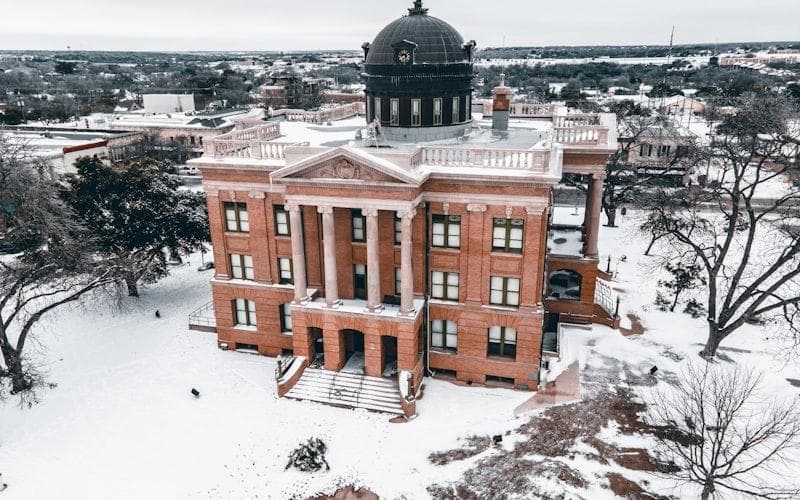
George L. Allen Sr. Courts Building, 600 Commerce St, Dallas, TX 75202
Personal injury civil cases in Dallas are filed in the Dallas County District Courts. Dallas County has numerous district courts handling civil matters, housed primarily at the George Allen Courts Building in downtown Dallas.
Nearby Hospitals and Trauma Centers
- Parkland Memorial Hospital (Level I Trauma Center)
- Baylor University Medical Center
- UT Southwestern Medical Center
- Texas Health Presbyterian Hospital Dallas
Free Case Evaluation
Get a free review of your case in minutes.
Or call now
(512) 500-2810Dallas Traumatic Brain Injury Cases: How They Arise
Traumatic brain injuries appear across nearly every PI vertical, including motor-vehicle collisions, falls from height, sports and recreation, workplace strikes, assaults, and even sub-concussive repetitive blows in industrial settings. The severity spectrum runs from "mild" TBI / concussion (often missed on initial imaging) to severe TBI with prolonged disorders of consciousness. The cases that arrive at our firm tend to be the moderate-to-severe end where lifetime-care issues drive damages.
- I-635 and Dallas North Tollway high-speed crashes with airbag deployment and B-pillar head impact
- Motorcycle crashes on the SH-114 and SH-121 corridors with helmet ejection
- Falls from height on downtown and Uptown high-rise construction sites
Verdict and Settlement Bands
Dallas County traumatic brain injury verdicts have ranged from approximately $600,000 in moderate-severity cases to over $18 million in severe-TBI cases requiring lifetime care, with mid-range serious matters tracking the $1.8M to $6M band given Parkland Memorial trauma-center documentation.
The Injury Picture
TBI presents as cognitive deficits (memory, attention, executive function), emotional dysregulation, headaches, vision changes, sleep disturbance, and in severe cases motor and speech impairment. Mild TBI is the most-undervalued PI injury type because imaging is often normal, and insurers exploit that aggressively. Neuropsychological testing is the workhorse evidentiary tool for proving cognitive deficits when imaging is unremarkable.
The Liability Framework
TBI claims piggyback on the underlying tort (motor vehicle, premises liability, product liability, etc.) and use the same Texas negligence framework. The litigation complexity comes from causation: defense counsel routinely argue pre-existing conditions, malingering, and somatic-symptom-disorder explanations. The Daubert / Robinson admissibility analysis on neuropsychological and biomechanical expert testimony is heavily contested.
Where This Case Would Be Filed
Dallas County civil district courts hear these matters under the two-year SOL in CPRC § 16.003; TBI cases rely heavily on the gap between Glasgow Coma Scale acute findings at Parkland and the long-tail neuropsychological deficits documented in follow-up.
Procedural Notes
Neuropsychological testing should occur as soon as the plaintiff is medically stable, not months later; defense counsel will exploit gaps in the testing timeline. Vocational rehabilitation and life-care planning experts are usually required to establish future damages.
Our Reach in Dallas County
Our attorneys represent personal injury clients in the Dallas County District Courts at the George Allen Sr. Courts Building in downtown Dallas, including catastrophic-injury and wrongful-death matters across the DFW corridor.
The Local Jury
Dallas County juries skew urban and increasingly plaintiff-friendly in the past decade as demographics have shifted; remain conservative on punitive damages but receptive to compensatory awards in clear-liability commercial-vehicle cases.
Local Reference Points
- • Parkland Memorial Hospital Level I trauma
- • Baylor University Medical Center Level I trauma
- • I-635 and Dallas North Tollway commute corridors
How Else We Help in Dallas

Spinal Cord Injury
Paralysis and spinal injury claims

Wrongful Death
Compassionate representation for grieving families
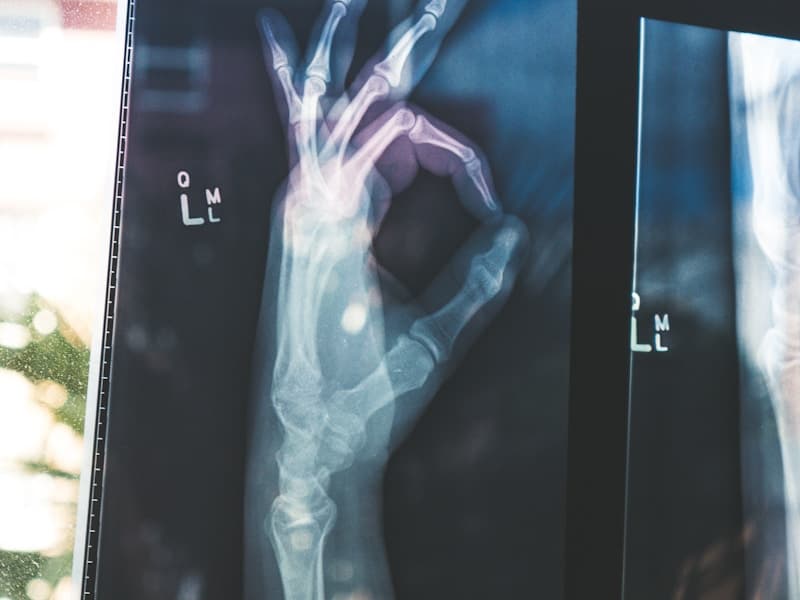
Amputation Injury
Limb loss and amputation claims

Burn Injury
Severe burn injury representation

Car Accident
Expert legal help for car crash victims

18-Wheeler Accident
Advocating for trucking accident victims

Truck Accident
Specialized truck accident representation

Motorcycle Accident
Dedicated advocacy for injured riders
More Related Practice Areas and Cities
Helpful Reading for Dallas Clients
Types of Compensation in Texas Personal Injury Cases
Understanding what damages you can recover helps you evaluate settlement offers. Learn about economic and non-economic damages.
Legal GuideAverage Settlement for Pain and Suffering in Texas
Pain and suffering damages can be the largest part of your personal injury settlement. Learn how they are calculated in Texas, what factors increase your award, and why insurance companies try to minimize these claims.
Legal GuideHow Long Do I Have to File a Personal Injury Lawsuit in Texas?
Missing the deadline to file your lawsuit can bar you from recovering any compensation. Learn about Texas statute of limitations.
Cities We Serve Near Dallas






Frequently Asked Questions in Dallas
Get medical attention first. Parkland Memorial Hospital (Level I Trauma Center) is the closest level of care most Dallas clients use for serious cases, and a written record from the date of the incident is one of the most valuable pieces of evidence we ever obtain. From there, document the scene with photographs, collect contact information for any witness who saw what happened, and avoid giving any recorded statement to an insurance adjuster until you have spoken with a lawyer. Diffuse axonal injury from rotational brain forces often takes days to fully present, which is another reason early documentation matters.
Civil claims of this type filed in Dallas are heard in the county district courts. The primary venue is George L. Allen Sr. Courts Building, 600 Commerce St, Dallas, TX 75202. Our attorneys practice regularly in these courts and are familiar with the local procedures and scheduling norms.
The Dallas medical network handling acute injuries from incidents like this one centers around Parkland Memorial Hospital (Level I Trauma Center), Baylor University Medical Center, and UT Southwestern Medical Center. Diagnoses we see again and again in these intake records include Diffuse axonal injury from rotational brain forces, Cerebral contusions and brain bleeding, and Skull fractures with underlying brain damage. We work directly with the records departments at each of these facilities, which is part of why our timelines for assembling a medical chronology run shorter than what most clients expect.
Texas Civil Practice and Remedies Code Section 16.003 sets a two-year statute of limitations on most personal injury claims. The clock usually starts on the date of injury. Exceptions apply for minors, discovery-rule cases, and claims against government entities. Consult an attorney promptly to preserve your options.
There is no single cause, but High speed motor vehicle collisions comes up often enough in the Dallas cases we handle that it is one of the first things we look for. Geographically, I-35E and I-35E and I-30 (Mixmaster) interchange are recurring locations, and the conditions specific to those places, road design, traffic volume, lighting, and signage, all factor into liability. We build the evidentiary record with crash reports, witness statements, and any available video before adjusters can lock in their version of events.
It does. Dallas courts have their own scheduling preferences, and the judges at George L. Allen Sr. Courts Building, 600 Commerce St, Dallas, TX 75202 hear certain arguments differently than judges elsewhere. A lawyer who lives and works in Dallas also understands the neighborhoods that shape jury composition, places like the broader community, and the lived experience that influences how a panel hears a case. Out-of-county counsel can do the work, but the home-field knowledge often shows up in the verdict.
Bring Your Dallas Traumatic Brain Injury Case to a Firm That Tries Them
A short, free conversation is all it takes to know where you stand. Our Dallas traumatic brain injury team handles cases on contingency, which means we get paid only when you do.