
West Texas Drunk Driving Accident Lawyer
Victims of drunk drivers deserve justice. We hold intoxicated drivers accountable through personal injury claims and can pursue punitive damages in addition to compensatory damages.
West Texas covers a vast region including Midland, Odessa, El Paso, and surrounding communities. We represent injury victims across West Texas, including oil field workers.
Serving West Texas
Attorney Israel Medina handles your case personally
You speak directly with your attorney
West Texas
Multiple Counties
No Fee Unless We Win
Free consultation available
24/7 Availability
We’re here when you need us
Representing Drunk Driving Accident Clients Across West Texas and Central Texas
Call before you call the insurance company. A drunk driving accident in West Texas sets in motion deadlines, statements, and adjuster tactics that move faster than most clients expect. Our firm tries cases throughout West Texas and knows how the Multiple Counties courts handle them. Free consultations, and no fee unless we recover for you.
Local Counsel Matters in a West Texas Drunk Driving Accident Case
- Familiarity with West Texas courts, judges, and local legal procedures
- Knowledge of dangerous corridors in West Texas, including I-20 and I-10
- Established relationships with trusted local medical providers and expert witnesses
- Convenient access for in-person meetings at our office near West Texas
Medina & Medina combines local expertise with proven results across West Texas. We offer free consultations to every West Texas victim and charge no fee unless we win your case.
Compensation for Drunk Driving Accident Victims in West Texas
Medical Expenses
All treatment costs related to your injury
Lost Income
Wages lost while recovering
Pain & Suffering
Compensation for physical and emotional distress
Future Damages
Long-term care and lost earning capacity
Texas Statute of Limitations
Miss the deadline and a strong case becomes no case. Texas law puts a two-year ceiling on most personal injury claims, measured from the date the injury occurred. The sooner we are involved, the more we can do.
Drunk Driving Accident Cases in West Texas
Drunk Driving Accident cases in West Texas frequently arise along major corridors including I-20, I-10, US-385, SH-191 (between Midland and Odessa). West Texas encompasses a vast region including Midland, Odessa, El Paso, and surrounding communities, with a combined population of over 1.5 million residents
High-risk areas in West Texas include I-20 between Midland and Odessa (one of the most dangerous stretches of highway in Texas due to oil field truck traffic), SH-191 between Midland and Odessa, US-285 in the Permian Basin (known as the "Death Highway" for its high fatality rate), I-10 through far West Texas (long distances, high speeds, limited emergency services), SH-302 near Kermit and Wink (heavy oil field traffic). If you have been injured near any of these locations, our attorneys can help.
- The Permian Basin is the most productive oil-producing region in the United States, and oil field truck traffic has made West Texas highways among the most dangerous in the country
- US-285 in the Permian Basin saw such a dramatic increase in fatalities that it earned the nickname "Death Highway," prompting state and federal safety interventions
Understanding Drunk Driving Accident Cases
Common Causes
In West Texas, drunk driving accident cases often trace back to conditions on I-20 and near I-20 between Midland and Odessa (one of the most dangerous stretches of highway in Texas due to oil field truck traffic). Local drivers and pedestrians encounter these specific risks when navigating these corridors.
- Driving after consuming excessive alcohol at bars or restaurants
- Driving under the influence of prescription or illegal drugs
- Bars or restaurants overserving visibly intoxicated patrons
- Underage drinking and impaired driving
- Combining alcohol with medications that impair judgment
- Social hosts providing alcohol to minors who then drive
Typical Injuries
Accident victims in West Texas are typically transported to trauma centers including Midland Memorial Hospital. The following injuries are common outcomes of these incidents.
- Catastrophic head and brain injuries from high speed collisions
- Spinal cord injuries resulting in permanent paralysis
- Severe internal organ damage
- Multiple bone fractures requiring surgical repair
- Wrongful death from high impact crashes
- Severe lacerations and disfiguring scars
Establishing Liability
For drunk driving accident claims filed in Multiple Counties, liability often turns on evidence gathered from specific West Texas locations, including I-20 between Midland and Odessa (one of the most dangerous stretches of highway in Texas due to oil field truck traffic).
The intoxicated driver bears primary liability, and a criminal DWI conviction or blood alcohol test result above 0.08 serves as powerful evidence of negligence in the civil case. Liability may also extend to establishments that served alcohol to the intoxicated driver under dram shop theories. Punitive damages are frequently pursued in drunk driving cases because the decision to drive while impaired demonstrates the kind of gross negligence Texas law is designed to punish.
Relevant Texas Law
Residents of West Texas pursue these claims under the same Texas statutes that govern all state personal injury actions.
Texas Alcoholic Beverage Code Section 2.02 establishes dram shop liability, allowing injured parties to pursue claims against bars and restaurants that served alcohol to an obviously intoxicated person. Texas Civil Practice and Remedies Code Chapter 41 governs the recovery of exemplary (punitive) damages, which are commonly sought in drunk driving cases. The Texas Penal Code Section 49.04 defines the criminal offense of driving while intoxicated, and a conviction in the criminal case can support the civil claim.
Ready to discuss your case?
Free consultation. No fee unless we win.
Local Resources and Courts in West Texas
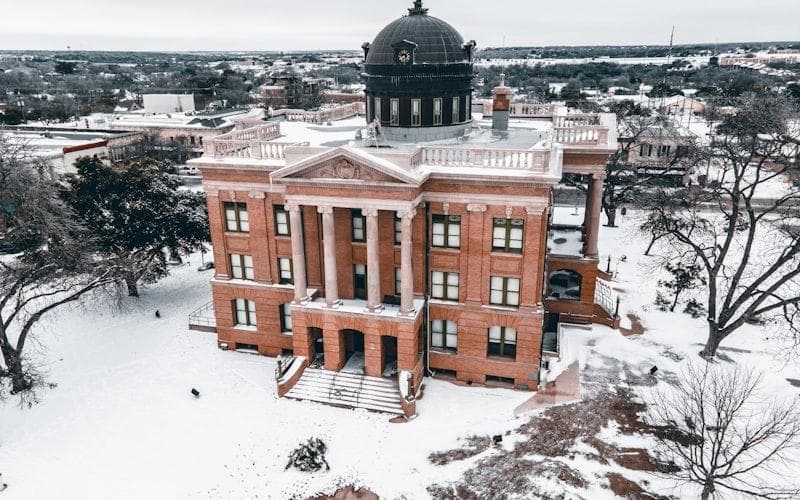
Midland County Courthouse, 500 N Loraine St, Midland, TX 79701
West Texas spans multiple counties. Personal injury civil cases are filed in the district courts of the county where the incident occurred. Key courts include the Midland County District Courts, Ector County District Courts in Odessa, and the El Paso County District Courts in El Paso.
Nearby Hospitals and Trauma Centers
- Midland Memorial Hospital
- Medical Center Hospital (Odessa)
- University Medical Center of El Paso (Level I Trauma Center)
- Del Sol Medical Center (El Paso)
Free Case Evaluation
Get a free review of your case in minutes.
Or call now
(512) 500-2810The Drunk Driving Accident Pattern in West Texas
The Permian Basin oil-field economy produces a distinctive DWI docket that has no real counterpart elsewhere in Texas. I-20 between Midland and Odessa carries the late-night impaired-driver crash volume from drivers traveling between the two cities and from drivers returning home from the urban bar corridors. The oil-field-haul road network spreading out from both cities through Ector, Midland, Glasscock, Reagan, and Upton Counties carries the shift-worker impaired-driver pattern, with workers traveling to and from drilling sites and the field-services depots on long shifts that produce both fatigue and a regional culture of post-shift drinking. The recurring catastrophic pattern traces to oil-field workers driving company pickups or commercial vehicles on the haul-road network after drinking through a shift change or a weekend off. The medical evacuation routing from the catastrophic cases goes to Medical Center Health System in Odessa and Midland Memorial Hospital, with University Medical Center in Lubbock as the regional Level I trauma destination.
The dram-shop docket in West Texas runs against the oil-field-worker-frequented bars in Midland and Odessa, the truck-stop-and-haul-road convenience-store permit holders along the corridor, and the I-20 motel and entertainment-strip venues. The receipt evidence, the POS-system service log, the surveillance from the venue and the adjacent businesses, and the patron and staff testimony anchor the visible-intoxication record. The high-volume oil-field-worker-frequented bars routinely run a single-tab pattern where a worker accumulates substantial drinks across a shift change with limited service-pacing controls, which produces the over-service evidentiary fact pattern that the section 2.02 case is built on.
The commercial-driver enhanced standard under the Federal Motor Carrier Safety Regulations transforms a West Texas DWI case where the impaired driver was operating a commercial motor vehicle. The FMCSR at 49 CFR section 392.5 sets the per-se blood-alcohol-content limit at 0.04 for commercial driver's license holders operating a commercial motor vehicle, compared to the 0.08 per-se limit under Texas Penal Code section 49.01 for non-commercial operation. The 0.04 standard combined with the FMCSR mandatory post-crash drug-and-alcohol testing under 49 CFR Part 382 produces the documented record that drives the gross-negligence and FMCSR-violation case under negligence-per-se on the carrier-employer side. The oil-field-field-services CDL-holder DWI cases out of West Texas frequently produce that fact pattern. The Dram Shop Act in Alcoholic Beverage Code section 2.02 runs the parallel claim against the over-serving licensed provider, with the trained-server safe-harbor under section 2.02(c)(1) the commercial-side battleground. The criminal DWI investigation file under Texas Penal Code section 49.04 supplies the foundation on the direct claim. Exemplary damages under Civil Practice and Remedies Code Chapter 41 are routinely available on a gross-negligence theory, with the section 41.008 cap controlling unless the section 41.008(c) felony-level criminal-act exception or the FMCSR-violation gross negligence on the carrier-employer side carries past it.
West Texas civil district courts in Midland County, Ector County, and the surrounding counties hear these cases at the respective county courthouses, and the venire on a Permian Basin DWI matter is rural-and-oil-field-economy mix, predominantly homeowner, culturally conservative on damages generally, but historically supportive of punitive damages on egregious-conduct gross-negligence theories and particularly on the CDL-holder and carrier-employer matters where the FMCSR record drives the case. The oil-field-economy panel takes the haul-road catastrophic-injury matters seriously because the panel members or their family members have worked in the industry. Aggregate West Texas DWI-related verdicts have run from roughly $100,000 in moderate-injury cases to over $7 million in catastrophic and wrongful-death cases with substantial exemplary awards. The defense roster recurs from the regional oil-field-employer-aligned firms and from the national defense rotation on the carrier-employer matters. The case that survives a Permian Basin panel is built on the criminal-investigation file, the FMCSR post-crash testing record on CDL-holder cases, the carrier-employer driver qualification file and dispatch records, the dram-shop preservation, and the gross-negligence pleading on both the FMCSR-violation and the over-service theories.
Verdict and Settlement Bands
West Texas DWI-related verdicts have ranged from $100K (moderate-injury cases) to over $7M (catastrophic and wrongful-death cases with punitive awards); Midland and Ector County juries supportive of punitive damages on impaired-driver gross negligence despite generally tight damages posture.
How These Cases Arise
Texas reports more alcohol-impaired traffic deaths per year than any other state. The patterns we see most often are the late-night Sixth Street / River Walk / West End collisions in the metros, the leaving-the-bar single-vehicle and head-on crashes on suburban arterials, and the early-morning wrong-way crashes on the urban interstates by drivers who entered via the off-ramp. Service-of-alcohol cases, where a bar, restaurant, or social host continued serving an obviously intoxicated patron, are an increasingly important subset, especially in the entertainment-district corridors.
- I-20 Midland-Odessa late-night impaired-driver crashes
- Oil-field-haul corridor shift-worker impaired-driver collisions
- Dram-shop cases against oil-field-worker-frequented bars
The Injury Picture
The collision energy in drunk-driving crashes tends to be high (impaired drivers do not brake before impact), which translates into catastrophic injury and wrongful-death cases at a higher rate than the general car-accident population. Closed-head injuries, multiple fractures, internal injuries, and burns from post-collision fuel fires are the recurring patterns. Survivors of head-on collisions face long orthopedic rehabilitation and lifetime-care issues from spinal-cord and brain injuries.
The Liability Framework
Direct negligence of the impaired driver is established through the criminal DWI investigation, blood-alcohol-content evidence, and field-sobriety records. Texas's Dram Shop Act, Alcoholic Beverage Code § 2.02, provides a parallel claim against the licensed alcohol provider who served an obviously intoxicated patron, with the safe-harbor provisions in § 106.14 and the training-defense in § 2.02(c)(1) routinely litigated. Punitive damages under Civil Practice & Remedies Code Chapter 41 are routinely awarded against drunk drivers on a gross-negligence theory, with the Chapter 41 caps applying.
Where This Case Would Be Filed
County of incident district courts; coordination with local DA on criminal cases.
Procedural Notes
The criminal DWI case proceeds on a separate track and may resolve before the civil case is filed; we coordinate with the prosecutor's office to obtain the criminal-investigation file. Dram Shop cases require expert testimony on the visible-intoxication element under § 2.02.
Our Reach in Multiple Counties
Our attorneys represent West Texas personal injury and oil-field-injury clients in the district courts of Midland County, Ector County (Odessa), and El Paso County, including catastrophic-injury and wrongful-death matters arising from Permian Basin oil-field operations.
The Local Jury
Midland and Ector County juries are conservative, oil-and-gas-economy-dependent, and historically tight on damages; receptive to clear-liability cases against out-of-county trucking carriers but skeptical of claims against local oil-field operators; El Paso County juries skew significantly more plaintiff-friendly.
Local Reference Points
- • I-20 between Midland and Odessa
- • Midland and Odessa bar corridors
- • Oil-field haul-road network
How Else We Help in West Texas

Car Accident
Expert legal help for car crash victims
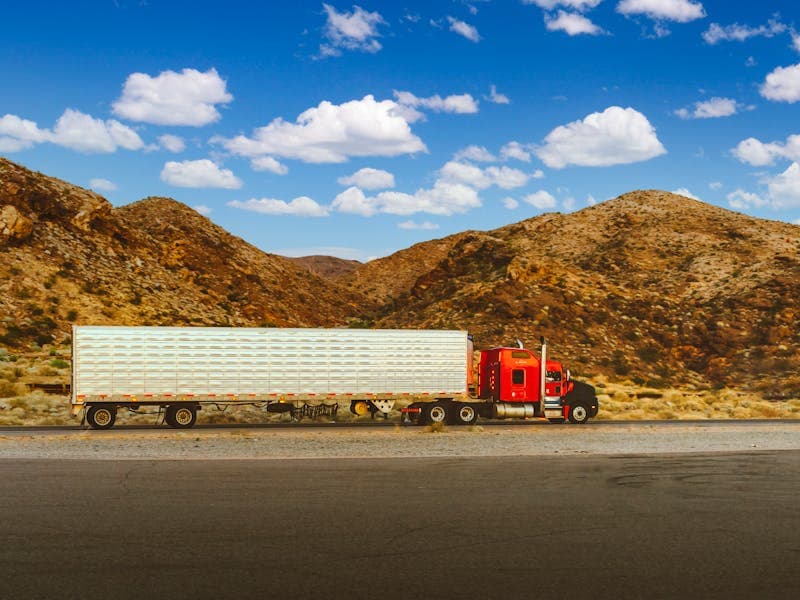
18-Wheeler Accident
Advocating for trucking accident victims

Truck Accident
Specialized truck accident representation

Motorcycle Accident
Dedicated advocacy for injured riders

Traumatic Brain Injury
Advocating for brain injury survivors

Spinal Cord Injury
Paralysis and spinal injury claims

Wrongful Death
Compassionate representation for grieving families
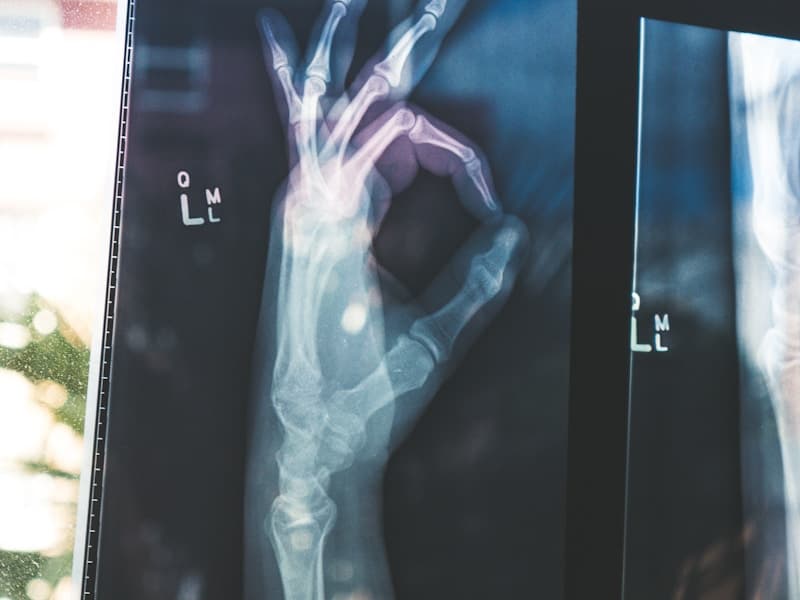
Amputation Injury
Limb loss and amputation claims
More Related Practice Areas and Cities
Helpful Reading for West Texas Clients
What to Do Immediately After a Car Accident in Texas
The steps you take immediately after a car accident can significantly impact your injury claim. Learn what to do to protect your rights.
Car AccidentsHow Much Is My Car Accident Case Worth in Texas?
The value of your car accident case depends on several factors including injury severity, medical bills, lost wages, and the strength of your liability evidence. Learn what determines your claim's worth in Texas.
Car AccidentsWhat to Do If You Are Hit by an Uninsured Driver in Texas
Texas has one of the highest rates of uninsured drivers in the country. Learn your options if you are hit by someone without insurance and why uninsured motorist coverage is essential protection.
Cities We Serve Near West Texas





Frequently Asked Questions in West Texas
The order of operations is medical care, then evidence, then counsel. A trauma evaluation at Midland Memorial Hospital or a comparable West Texas facility creates the contemporaneous record that supports a future claim, especially when the injury is something like Catastrophic head and brain injuries from high speed collisions that can be missed on a roadside check. Once you are stable, photograph everything you can and write down what you remember while the details are fresh. Insurance adjusters will call quickly. A short call with a lawyer before that conversation almost always changes the trajectory of the case.
Civil claims of this type filed in Multiple Counties are heard in the county district courts. The primary venue is Midland County Courthouse, 500 N Loraine St, Midland, TX 79701. Our attorneys practice regularly in these courts and are familiar with the local procedures and scheduling norms.
Patients with serious injuries in West Texas are typically routed to Midland Memorial Hospital, Medical Center Hospital (Odessa), and University Medical Center of El Paso (Level I Trauma Center), depending on the nature of the trauma and the time of day. Catastrophic head and brain injuries from high speed collisions, Spinal cord injuries resulting in permanent paralysis, and Severe internal organ damage are among the diagnoses these facilities see most often in cases like this one. The hospital you start at also shapes the paper trail, so when there is a choice, it is worth knowing which centers carry the specialty teams that match the injury.
Texas Civil Practice and Remedies Code Section 16.003 sets a two-year statute of limitations on most personal injury claims. The clock usually starts on the date of injury. Exceptions apply for minors, discovery-rule cases, and claims against government entities. Consult an attorney promptly to preserve your options.
Yes. The corridor along I-20 and the area around I-20 between Midland and Odessa (one of the most dangerous stretches of highway in Texas due to oil field truck traffic) produce a disproportionate share of the drunk driving accident matters that come into our office out of West Texas. The most common precipitating factor we encounter is Driving after consuming excessive alcohol at bars or restaurants. Our investigation usually starts with the crash or incident report, pulls in any nearby surveillance footage, and reaches out to witnesses while their memories are still reliable.
Daily familiarity with the courthouse and the community. Our team works Multiple Counties matters week in and week out, which means we know the bench at Midland County Courthouse, 500 N Loraine St, Midland, TX 79701 on a first-name basis and we know how juries pulled from the broader community tend to read a personal injury case. That continuity affects everything from how we schedule depositions to how we frame opening statements.
Injured in West Texas? Talk to a Drunk Driving Accident Attorney.
Don’t wait to get legal help. Contact our West Texas drunk driving accident lawyers today for a free consultation. No fee unless we win your case.