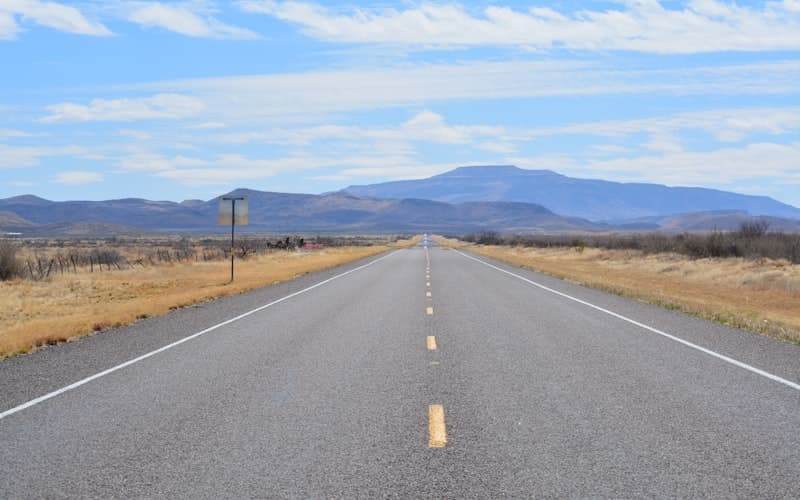
West Texas Uber & Lyft Accident Lawyer
Rideshare accidents involve complex insurance issues. Whether you were a passenger, driver, or third party, we navigate the multiple insurance policies to maximize your recovery.
West Texas covers a vast region including Midland, Odessa, El Paso, and surrounding communities. We represent injury victims across West Texas, including oil field workers.
Serving West Texas
Attorney Israel Medina handles your case personally
You speak directly with your attorney
West Texas
Multiple Counties
No Fee Unless We Win
Free consultation available
24/7 Availability
We’re here when you need us
Representing Uber & Lyft Accident Clients Across West Texas and Central Texas
West Texas is the kind of city where an uber & lyft accident can upend a family in an afternoon. We built our practice around that reality, working West Texas and the Multiple Counties court system day after day, year after year. Tell us what happened in a free consultation. Fees come only out of a recovery, never out of your pocket.
How a West Texas-Based Uber & Lyft Accident Attorney Changes the Outcome
- Familiarity with West Texas courts, judges, and local legal procedures
- Knowledge of dangerous corridors in West Texas, including I-20 and I-10
- Established relationships with trusted local medical providers and expert witnesses
- Convenient access for in-person meetings at our office near West Texas
Medina & Medina combines local expertise with proven results across West Texas. We offer free consultations to every West Texas victim and charge no fee unless we win your case.
Compensation for Uber & Lyft Accident Victims in West Texas
Medical Expenses
All treatment costs related to your injury
Lost Income
Wages lost while recovering
Pain & Suffering
Compensation for physical and emotional distress
Future Damages
Long-term care and lost earning capacity
Texas Statute of Limitations
The Texas filing clock for most personal injury claims runs out at two years from the date of injury. Witnesses move, surveillance gets overwritten, and adjuster files harden long before that. Reach us early.
Uber & Lyft Accident Cases in West Texas
Uber & Lyft Accident cases in West Texas frequently arise along major corridors including I-20, I-10, US-385, SH-191 (between Midland and Odessa). West Texas encompasses a vast region including Midland, Odessa, El Paso, and surrounding communities, with a combined population of over 1.5 million residents
High-risk areas in West Texas include I-20 between Midland and Odessa (one of the most dangerous stretches of highway in Texas due to oil field truck traffic), SH-191 between Midland and Odessa, US-285 in the Permian Basin (known as the "Death Highway" for its high fatality rate), I-10 through far West Texas (long distances, high speeds, limited emergency services), SH-302 near Kermit and Wink (heavy oil field traffic). If you have been injured near any of these locations, our attorneys can help.
- The Permian Basin is the most productive oil-producing region in the United States, and oil field truck traffic has made West Texas highways among the most dangerous in the country
- US-285 in the Permian Basin saw such a dramatic increase in fatalities that it earned the nickname "Death Highway," prompting state and federal safety interventions
Understanding Uber & Lyft Accident Cases
Common Causes
In West Texas, uber & lyft accident cases often trace back to conditions on I-20 and near I-20 between Midland and Odessa (one of the most dangerous stretches of highway in Texas due to oil field truck traffic). Local drivers and pedestrians encounter these specific risks when navigating these corridors.
- Rideshare drivers distracted by the navigation app on their phone
- Drivers unfamiliar with the area making sudden stops or turns
- Fatigue from driving long shifts without adequate rest
- Unsafe pickups and dropoffs in traffic lanes or intersections
- Speeding to complete more rides and earn higher fares
- Third party drivers colliding with rideshare vehicles
Typical Injuries
Accident victims in West Texas are typically transported to trauma centers including Midland Memorial Hospital. The following injuries are common outcomes of these incidents.
- Whiplash and neck strains from rear end collisions
- Concussions and traumatic brain injuries
- Back injuries and herniated discs
- Broken wrists and arms from bracing on impact
- Soft tissue injuries throughout the body
- Emotional distress and post traumatic stress
Establishing Liability
For uber & lyft accident claims filed in Multiple Counties, liability often turns on evidence gathered from specific West Texas locations, including I-20 between Midland and Odessa (one of the most dangerous stretches of highway in Texas due to oil field truck traffic).
Rideshare accident claims involve multiple layers of insurance depending on whether the driver was logged into the app, en route to pick up a passenger, or actively transporting a rider. Uber and Lyft provide up to $1 million in liability coverage when a passenger is in the vehicle, but coverage is lower during other app stages. Determining which insurance policy applies requires a careful analysis of the driver app status at the time of the crash.
Relevant Texas Law
Residents of West Texas pursue these claims under the same Texas statutes that govern all state personal injury actions.
Texas Insurance Code Chapter 1954, known as the Texas Transportation Network Company Act, requires rideshare companies to maintain specific insurance coverage levels for each phase of driver activity. When a driver is transporting a passenger, the company must carry at least $1 million in combined single limit coverage. Texas law treats rideshare drivers as independent contractors, but the companies remain responsible for ensuring minimum insurance requirements are met.
Ready to discuss your case?
Free consultation. No fee unless we win.
Local Resources and Courts in West Texas
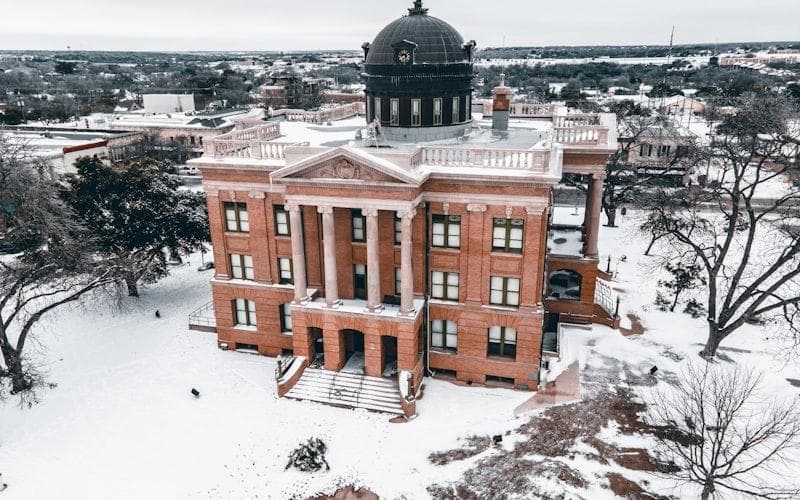
Midland County Courthouse, 500 N Loraine St, Midland, TX 79701
West Texas spans multiple counties. Personal injury civil cases are filed in the district courts of the county where the incident occurred. Key courts include the Midland County District Courts, Ector County District Courts in Odessa, and the El Paso County District Courts in El Paso.
Nearby Hospitals and Trauma Centers
- Midland Memorial Hospital
- Medical Center Hospital (Odessa)
- University Medical Center of El Paso (Level I Trauma Center)
- Del Sol Medical Center (El Paso)
Free Case Evaluation
Get a free review of your case in minutes.
Or call now
(512) 500-2810The Uber & Lyft Accident Pattern in West Texas
West Texas rideshare cases run on a defendant chain that reflects the regional economy rather than the major-metro entertainment-district docket. The Midland-Odessa rideshare driver pool overlaps substantially with the Permian Basin oilfield workforce, with drivers running rideshare between shifts at the oilfield service companies, the petrochemical operations, and the support businesses serving the basin. The rideshare driver on a Midland or Odessa crash routinely carries a personal commercial-driving history, a commercial auto policy on the same vehicle from his employer or a prior employer, and an Insurance Code Chapter 1952 UM/UIM coverage stacking pattern more complex than the urban-driver norm. The defendant chain on the catastrophic Period 2 or Period 3 matter accordingly includes the driver personally, the platform under Chapter 1954, the personal auto carrier contingent on Period 1, any commercial-vehicle carrier where the rideshare vehicle doubles as a fleet asset, and on the multi-vehicle collisions the at-fault third-party commercial driver and his motor carrier under the FMCSR framework. The coverage stacking analysis is more layered than the metro-rideshare norm and dictates the early settlement posture.
West Texas rideshare volume is smaller in absolute terms than the major-metro markets but unusually concentrated around a few destinations that produce the case mix. Midland International Air and Space Port and El Paso International Airport pickup and dropoff zones produce the airport-corridor caseload, with the smaller terminal footprints and the regional-flight schedules generating concentrated surge windows. The urban Midland-Odessa entertainment districts on the Garfield Street, North A Street, and downtown bar corridors produce the late-night dropoff and pickup volume. The I-20 corridor between Midland and Odessa carries the catastrophic-injury subset, with rideshare-driver-fault Period 2 or Period 3 collisions at corridor speed dropping the case into the $1 million commercial layer. US-285, the so-called Death Highway corridor in Reeves and Loving Counties, produces the highest-energy commercial-truck-involved crash physics in the state and feeds the multi-vehicle rideshare cases that involve oilfield service trucks. The El Paso urban market on the El Paso International Airport, downtown El Paso, and University of Texas at El Paso campus footprint produces the southwest-corner volume on a different demographic and venue profile.
The Texas Insurance Code Chapter 1954 three-period framework controls coverage. Period 0, app off, personal auto. Period 1, app on without ride accepted, $50,000 / $100,000 / $25,000 platform minimum plus contingent personal. Period 2 (en route) and Period 3 (passenger in vehicle), $1 million platform commercial plus UM/UIM. The period at impact is established from in-app GPS, ride-acceptance and ride-start timestamps, and the trip record on the platform server. Uber and Lyft retention on app data and dashcam (where installed) runs thirty to ninety days. The Texas Occupations Code Chapter 2402 TNC Act framework supplies the driver-eligibility, background-check, and vehicle-inspection floor. The Civil Practice and Remedies Code section 16.003 two-year clock runs from the date of crash, with the regional courthouse procedural rhythm in Midland, Ector, Reeves, Loving, and El Paso Counties shifting the docket pace.
County of incident district courts hear these matters when the user-agreement arbitration clause is successfully challenged, with the procedural rhythm and venire composition varying substantially across the West Texas counties. Midland and Ector County jury pools draw heavily from the oilfield-service economy and historically run tight on non-economic damages, while El Paso County verdicts skew significantly higher on catastrophic-injury matters reflecting the urban-border demographic. Aggregate West Texas rideshare cases have run from roughly $30,000 in moderate passenger cases to over $750,000 in catastrophic platform-coverage cases. The defense roster recurs from the regional Midland-Odessa firms and the El Paso defense bar on the carrier and platform-defense side. The case file that wins on a West Texas rideshare matter is built on early period-determination evidence, the platform app-data preservation, the multi-carrier coverage identification across personal auto, commercial auto, and the platform layer, and the FMCSR-side preservation on the multi-vehicle commercial-truck-involved matters that come off US-285 and I-20.
Verdict and Settlement Bands
West Texas rideshare cases have ranged from $30K (moderate cases) to over $750K (catastrophic platform-coverage cases).
How These Cases Arise
Rideshare crashes in Texas reflect the realities of distracted-driving by the rideshare drivers themselves (phone screens running navigation, ride-acceptance, and passenger-message apps) and the long hours many drivers work across multiple platforms. Pickup-and-dropoff incidents at airports, in entertainment districts, and at apartment complexes generate the lion's share of urban claims. The catastrophic crashes more often involve a rideshare driver hit by an at-fault third party, with the passenger sustaining injury from a side-impact or rollover.
- Midland and Odessa airport pickup-zone incidents
- Urban entertainment-district late-night pickup/dropoff
- I-20 corridor rideshare-driver-fault collisions
The Injury Picture
Passenger injuries in rideshare crashes mirror the general car-accident injury profile: cervical-spine strains, lumbar disc injuries, traumatic brain injury in higher-speed crashes, and orthopedic injuries from intrusion. The medical-records picture is complicated by the passenger's lack of a personal relationship with the driver, which means contact information, witness statements, and the platform's record of the trip are essential to establishing the case.
The Liability Framework
Coverage in rideshare cases turns on the driver's "period" at the time of crash: Period 0 (app off, personal insurance), Period 1 (app on, awaiting ride request, Uber/Lyft contingent liability), Period 2 (en route to pickup, Uber/Lyft commercial coverage of $1M), and Period 3 (passenger in vehicle, Uber/Lyft commercial coverage of $1M). Texas Insurance Code Chapter 1954 (the Transportation Network Company Insurance Act) establishes minimum coverage requirements and notice obligations. Coverage disputes between the rideshare carrier and the driver's personal carrier are routine and require careful coverage litigation.
Where This Case Would Be Filed
County of incident district courts when arbitration challenged.
Procedural Notes
Letters of representation and document-preservation demands must go to Uber/Lyft directly, not just to the driver; the trip telemetry, app data, and driver-acceptance record are uniquely held by the platform. Mandatory-arbitration clauses in passenger user-agreements are routinely raised and contested.
Our Reach in Multiple Counties
Our attorneys represent West Texas personal injury and oil-field-injury clients in the district courts of Midland County, Ector County (Odessa), and El Paso County, including catastrophic-injury and wrongful-death matters arising from Permian Basin oil-field operations.
The Local Jury
Midland and Ector County juries are conservative, oil-and-gas-economy-dependent, and historically tight on damages; receptive to clear-liability cases against out-of-county trucking carriers but skeptical of claims against local oil-field operators; El Paso County juries skew significantly more plaintiff-friendly.
Local Reference Points
- • Midland International Air & Space Port (MAF)
- • El Paso International Airport (ELP)
- • I-20 Midland-Odessa corridor
How Else We Help in West Texas
Car Accident
Expert legal help for car crash victims
18-Wheeler Accident
Advocating for trucking accident victims
Truck Accident
Specialized truck accident representation

Motorcycle Accident
Dedicated advocacy for injured riders

Traumatic Brain Injury
Advocating for brain injury survivors
Spinal Cord Injury
Paralysis and spinal injury claims

Wrongful Death
Compassionate representation for grieving families
Amputation Injury
Limb loss and amputation claims
More Related Practice Areas and Cities
Helpful Reading for West Texas Clients
Rideshare Accident Claims. Suing Uber or Lyft in Texas
Rideshare accidents in Texas create unique legal challenges because Uber and Lyft classify their drivers as independent contractors. Texas law still provides a path to hold these companies accountable, and the amount of insurance coverage available depends on what the driver was doing at the time of the crash.
Car AccidentsWhat to Do Immediately After a Car Accident in Texas
The steps you take immediately after a car accident can significantly impact your injury claim. Learn what to do to protect your rights.
Insurance TipsHow Insurance Companies Try to Minimize Your Claim
Insurance companies use a playbook of proven tactics to reduce what they pay injured Texans. From recorded statements to low-ball offers, understanding these strategies is your best defense against being taken advantage of after an accident.
Cities We Serve Near West Texas




Frequently Asked Questions in West Texas
After an incident near I-20 or I-20 between Midland and Odessa (one of the most dangerous stretches of highway in Texas due to oil field truck traffic) in West Texas, seek immediate medical care at a trauma center such as Midland Memorial Hospital. Whiplash and neck strains from rear end collisions is a common outcome in these cases and requires prompt evaluation. Preserve evidence at the scene, photograph your injuries and the location, and consult an experienced attorney before speaking with any insurance adjuster.
The Multiple Counties district courts have civil jurisdiction over personal injury actions, and the case would most likely be filed at Midland County Courthouse, 500 N Loraine St, Midland, TX 79701. From filing through trial, our firm runs cases in front of these judges on a regular basis. That continuity matters when it comes to scheduling, evidentiary rulings, and the timing of settlement negotiations.
Patients with serious injuries in West Texas are typically routed to Midland Memorial Hospital, Medical Center Hospital (Odessa), and University Medical Center of El Paso (Level I Trauma Center), depending on the nature of the trauma and the time of day. Whiplash and neck strains from rear end collisions, Concussions and traumatic brain injuries, and Back injuries and herniated discs are among the diagnoses these facilities see most often in cases like this one. The hospital you start at also shapes the paper trail, so when there is a choice, it is worth knowing which centers carry the specialty teams that match the injury.
Texas Civil Practice and Remedies Code Section 16.003 sets a two-year statute of limitations on most personal injury claims. The clock usually starts on the date of injury. Exceptions apply for minors, discovery-rule cases, and claims against government entities. Consult an attorney promptly to preserve your options.
There is no single cause, but Rideshare drivers distracted by the navigation app on their phone comes up often enough in the West Texas cases we handle that it is one of the first things we look for. Geographically, I-20 and I-20 between Midland and Odessa (one of the most dangerous stretches of highway in Texas due to oil field truck traffic) are recurring locations, and the conditions specific to those places, road design, traffic volume, lighting, and signage, all factor into liability. We build the evidentiary record with crash reports, witness statements, and any available video before adjusters can lock in their version of events.
It does. Multiple Counties courts have their own scheduling preferences, and the judges at Midland County Courthouse, 500 N Loraine St, Midland, TX 79701 hear certain arguments differently than judges elsewhere. A lawyer who lives and works in West Texas also understands the neighborhoods that shape jury composition, places like the broader community, and the lived experience that influences how a panel hears a case. Out-of-county counsel can do the work, but the home-field knowledge often shows up in the verdict.
Bring Your West Texas Uber & Lyft Accident Case to a Firm That Tries Them
We answer West Texas uber & lyft accident calls the same day, work on contingency, and never charge a consultation fee. If we do not win your case, you do not pay us. That has always been the deal.