
West Texas Workplace Injury Lawyer
Injured on the job? You may have claims beyond workers' compensation. We explore all options to maximize your recovery for workplace injuries.
West Texas covers a vast region including Midland, Odessa, El Paso, and surrounding communities. We represent injury victims across West Texas, including oil field workers.
Serving West Texas
Attorney Israel Medina handles your case personally
You speak directly with your attorney
West Texas
Multiple Counties
No Fee Unless We Win
Free consultation available
24/7 Availability
We’re here when you need us
Representing Workplace Injury Clients Across West Texas and Central Texas
Medina & Medina handles workplace injury cases for clients across West Texas, where the Multiple Counties courts have their own pace, their own customs, and their own expectations of trial counsel. A serious injury in West Texas deserves a lawyer who walks into those courtrooms on a regular basis. Our consultations are free, and we charge nothing unless we win the recovery.
What a Local West Texas Workplace Injury Lawyer Brings to the Case
- Familiarity with West Texas courts, judges, and local legal procedures
- Knowledge of dangerous corridors in West Texas, including I-20 and I-10
- Established relationships with trusted local medical providers and expert witnesses
- Convenient access for in-person meetings at our office near West Texas
Medina & Medina combines local expertise with proven results across West Texas. We offer free consultations to every West Texas victim and charge no fee unless we win your case.
Compensation for Workplace Injury Victims in West Texas
Medical Expenses
All treatment costs related to your injury
Lost Income
Wages lost while recovering
Pain & Suffering
Compensation for physical and emotional distress
Future Damages
Long-term care and lost earning capacity
Texas Statute of Limitations
Miss the deadline and a strong case becomes no case. Texas law puts a two-year ceiling on most personal injury claims, measured from the date the injury occurred. The sooner we are involved, the more we can do.
Workplace Injury Cases in West Texas
Workplace Injury cases in West Texas frequently arise along major corridors including I-20, I-10, US-385, SH-191 (between Midland and Odessa). West Texas encompasses a vast region including Midland, Odessa, El Paso, and surrounding communities, with a combined population of over 1.5 million residents
High-risk areas in West Texas include I-20 between Midland and Odessa (one of the most dangerous stretches of highway in Texas due to oil field truck traffic), SH-191 between Midland and Odessa, US-285 in the Permian Basin (known as the "Death Highway" for its high fatality rate), I-10 through far West Texas (long distances, high speeds, limited emergency services), SH-302 near Kermit and Wink (heavy oil field traffic). If you have been injured near any of these locations, our attorneys can help.
- The Permian Basin is the most productive oil-producing region in the United States, and oil field truck traffic has made West Texas highways among the most dangerous in the country
- US-285 in the Permian Basin saw such a dramatic increase in fatalities that it earned the nickname "Death Highway," prompting state and federal safety interventions
Understanding Workplace Injury Cases
Common Causes
In West Texas, workplace injury cases often trace back to conditions on I-20 and near I-20 between Midland and Odessa (one of the most dangerous stretches of highway in Texas due to oil field truck traffic). Local drivers and pedestrians encounter these specific risks when navigating these corridors.
- Unsafe working conditions tolerated by management
- Lack of proper safety training for employees
- Failure to provide required personal protective equipment
- Defective tools and equipment provided by the employer
- Coworker negligence causing injuries to others
- Employer pressure to bypass safety procedures to increase productivity
Typical Injuries
Accident victims in West Texas are typically transported to trauma centers including Midland Memorial Hospital. The following injuries are common outcomes of these incidents.
- Back injuries from lifting, pulling, and carrying
- Broken bones from falls and equipment accidents
- Repetitive stress injuries from manual labor
- Chemical exposure injuries from inadequate ventilation
- Crush injuries from heavy equipment and machinery
- Burns from workplace fires and chemical contact
Establishing Liability
For workplace injury claims filed in Multiple Counties, liability often turns on evidence gathered from specific West Texas locations, including I-20 between Midland and Odessa (one of the most dangerous stretches of highway in Texas due to oil field truck traffic).
Texas is unique because many employers opt out of the workers compensation system, making them nonsubscribers. Nonsubscriber employers can be sued directly for negligence and lose several key defenses, including contributory negligence and assumption of risk. Even when an employer carries workers compensation, injured workers can pursue third party claims against equipment manufacturers, subcontractors, and property owners whose negligence contributed to the injury.
Relevant Texas Law
Residents of West Texas pursue these claims under the same Texas statutes that govern all state personal injury actions.
Texas Labor Code Chapter 406 allows employers to elect whether to carry workers compensation insurance, making Texas one of the few states with this opt out provision. Nonsubscriber employers are subject to common law negligence suits under Texas Labor Code Section 406.033, which removes the defenses of contributory negligence, assumption of risk, and fellow servant doctrine. Third party liability claims are preserved under Texas Labor Code Chapter 417 even for employees receiving workers compensation benefits.
Ready to discuss your case?
Free consultation. No fee unless we win.
Local Resources and Courts in West Texas
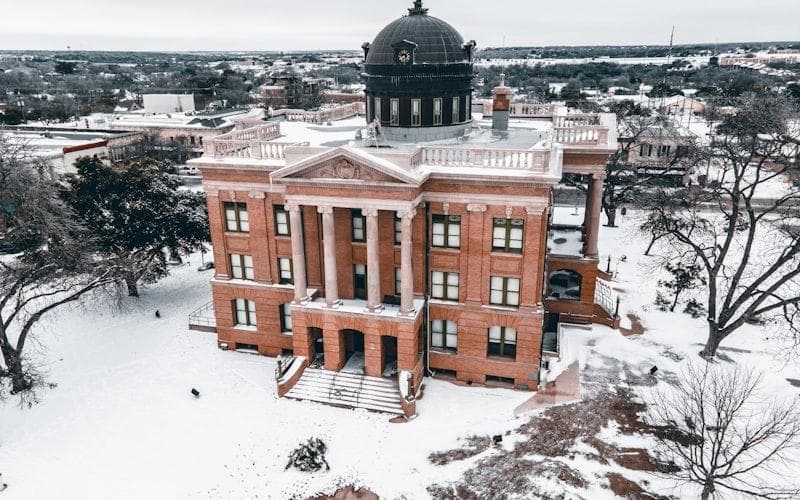
Midland County Courthouse, 500 N Loraine St, Midland, TX 79701
West Texas spans multiple counties. Personal injury civil cases are filed in the district courts of the county where the incident occurred. Key courts include the Midland County District Courts, Ector County District Courts in Odessa, and the El Paso County District Courts in El Paso.
Nearby Hospitals and Trauma Centers
- Midland Memorial Hospital
- Medical Center Hospital (Odessa)
- University Medical Center of El Paso (Level I Trauma Center)
- Del Sol Medical Center (El Paso)
Free Case Evaluation
Get a free review of your case in minutes.
Or call now
(512) 500-2810The Workplace Injury Pattern in West Texas
The Permian Basin is the most productive oil basin in the United States, and the workplace-injury volume that the upstream and midstream oil-and-gas workforce produces is unlike anything in the rest of Texas. Drilling-rig dropped-object and crush incidents on the rig floor, frac-spread injuries on the high-pressure pump and flow-iron equipment, lease-road and well-site vehicle incidents on the dirt-track network connecting the operations, H2S exposure cases at gas-bearing well sites, and catastrophic burn and explosion incidents at blowouts and pressure-control failures populate the docket. The operator-contractor-subcontractor relationship structure in oil-and-gas operations is unusually layered: a major upstream operator contracts the rig from a drilling contractor, which contracts directional drilling, mud logging, wireline, frac, and casing services to specialty subcontractors, which staff through labor halls and third-party hands. Subscriber-versus-non-subscriber status varies at every layer, and the subscription question is heavily contested on Permian cases because the answer drives a multiple of the case value on catastrophic injuries.
Beyond the well-site footprint, the Midland and Odessa contractor yards and the lease-road network through Reeves, Loving, Winkler, Ward, and Crane Counties produce the off-pad case subset with vehicle, crush, and equipment-handling incidents. The dust-storm haboob conditions that close I-20 and US-285 during high-wind events add a documented multi-vehicle-pileup vector that catches lease-road workers and contractor-vehicle crews. The midstream pipeline construction sector across the basin produces its own trench-collapse and equipment-handling case subset. EMS response times in the rural Permian Basin counties routinely exceed thirty minutes, and the golden-hour math on a catastrophic well-site injury is harsh. Midland Memorial Hospital and Medical Center Hospital in Odessa handle initial stabilization; University Medical Center of El Paso is the regional Level I Trauma Center, and air-transport rotor and fixed-wing flights to the El Paso, Lubbock, and Dallas Level I destinations are the standard catastrophic-injury routing.
Texas Labor Code section 406.002 makes subscription optional, and the upstream operators and the larger drilling contractors typically subscribe through Texas Mutual or one of the national carriers. The specialty service subs, the smaller frac and wireline operators, and the labor-hall staffing entities are routinely non-subscribers. On a non-subscriber matter, Labor Code section 406.033 strips contributory negligence, assumption of the risk, and the fellow-servant rule, producing dramatically different recovery on catastrophic oil-field injuries. The Permian non-subscriber oil-field-operator cases produce some of the largest workplace-injury awards in Texas because of the catastrophic-injury severity, the documented OSHA and Railroad Commission violation history, and the multi-defendant contractor chain with stacked liability exposure. Subscription verification through TDI-DWC is the predicate. Notice deadlines under Labor Code section 409.001 run the thirty-day employer-notice and one-year filing clocks. OSHA standards under 29 CFR Part 1910 (general industry), particularly 1910.119 Process Safety Management on the hydrocarbon-handling facilities, supply the negligence-per-se framework with OSHA Region 6 inspection records central to the case file. The Texas Railroad Commission regulates upstream operations and adds a separate state-regulatory overlay with violation records that complement the OSHA file.
Midland County, Ector County, Reeves County, Loving County, and El Paso County district courts hear these matters depending on the incident location, and the venue posture differs sharply across that range. Midland and Ector County juries are conservative, oil-and-gas-economy-dependent, and historically tight on damages, receptive to clear-liability cases against out-of-county trucking and contractor entities but skeptical of claims against local oil-field operators. El Paso County juries skew significantly more plaintiff-friendly. The defense roster on Permian operator cases recurs from Cotton Bledsoe Tighe and Dawson, Lynch Chappell and Alsup, and Kelly Hart and Hallman, with the national defense-firm rotation tracking the major upstream-operator liability programs active on the catastrophic matters. Texas Mutual handles most subscriber workers comp on the upstream and midstream book. Aggregate West Texas non-subscriber workplace verdicts in recent years have run from roughly $400,000 in moderate-injury cases to over $30 million in catastrophic oil-field-operator cases with gross-negligence findings. The case file built for a Permian jury has to land cleanly on the documented federal and Railroad Commission violation history, on the multi-defendant contractor chain, and on the catastrophic-injury severity, and the early-evidence work to do that starts the day the incident hits the OSHA reporting system.
Verdict and Settlement Bands
West Texas non-subscriber workplace verdicts have ranged from $400K (moderate-injury cases) to over $30M (catastrophic oil-field-operator cases with gross-negligence findings). The Permian Basin oil-field-operator non-subscriber cases produce some of the largest workplace-injury awards in Texas.
How These Cases Arise
Texas is the only state where employers can legally opt out of the workers compensation system, and that single fact shapes every workplace-injury case we handle. Falls from height on construction sites, particularly multifamily framing in the high-growth metros, dominate the catastrophic-injury volume. Caught-in and caught-between equipment injuries (forklifts, presses, and conveyor systems) produce amputations and crush injuries. Repetitive-motion injuries in distribution centers along the I-35 and I-45 corridors are surging as the Amazon and FedEx ground footprints expand. Heat illness, especially in oil-field, roofing, and roadway-construction settings, becomes life-threatening every summer.
- Drilling-rig dropped-object and crush injuries
- Frac-spread and well-site equipment incidents
- H2S exposure cases on lease sites
The Injury Picture
The injury picture varies sharply by industry. Construction yields catastrophic falls, crush injuries, and electrocutions; the warehouse and distribution sector yields shoulder, back, and repetitive-stress injuries; the oil-and-gas sector yields burns, traumatic amputation, and chemical exposure. The common thread is that the medical posture is often complicated by the worker's reluctance to seek care immediately, which carriers exploit later in causation arguments.
The Liability Framework
For workers whose employer subscribes to workers comp under Texas Labor Code § 406.002, the comp system is the exclusive remedy against the employer; third-party claims against equipment manufacturers, premises owners, and other contractors remain available. For non-subscriber employers, the employer is liable in tort but loses common-law defenses including contributory negligence, assumption of the risk, and the fellow-servant rule (Labor Code § 406.033). That asymmetry makes non-subscriber cases substantially more valuable per equivalent injury.
Where This Case Would Be Filed
County of incident district courts; FMCSA, OSHA, and Texas Railroad Commission regulatory overlay.
Procedural Notes
Non-subscriber status must be verified through the Texas Department of Insurance Division of Workers Compensation employer search; carriers occasionally claim subscription that is not actually in force at the time of injury. Notice requirements under Labor Code § 409.001 (30 days for employer notice; one year for filing the claim) are strict and frequently litigated.
Our Reach in Multiple Counties
Our attorneys represent West Texas personal injury and oil-field-injury clients in the district courts of Midland County, Ector County (Odessa), and El Paso County, including catastrophic-injury and wrongful-death matters arising from Permian Basin oil-field operations.
The Local Jury
Midland and Ector County juries are conservative, oil-and-gas-economy-dependent, and historically tight on damages; receptive to clear-liability cases against out-of-county trucking carriers but skeptical of claims against local oil-field operators; El Paso County juries skew significantly more plaintiff-friendly.
Local Reference Points
- • Permian Basin well-site network
- • Midland and Odessa contractor yards
- • Lease-road network through Reeves and Loving Counties
How Else We Help in West Texas

Slip and Fall
Holding property owners accountable

Premises Liability
Dangerous property condition claims
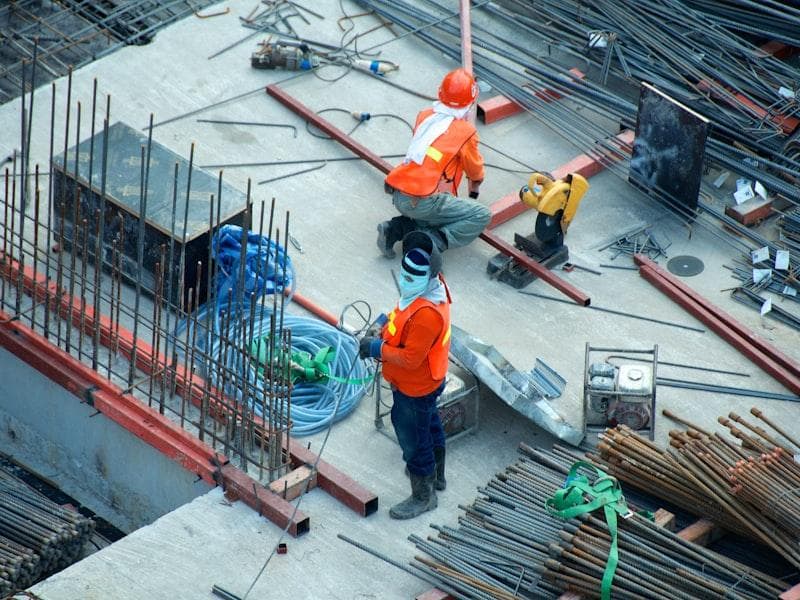
Construction Accident
Construction site injury claims

Dog Bite
Animal attack injury claims

Car Accident
Expert legal help for car crash victims
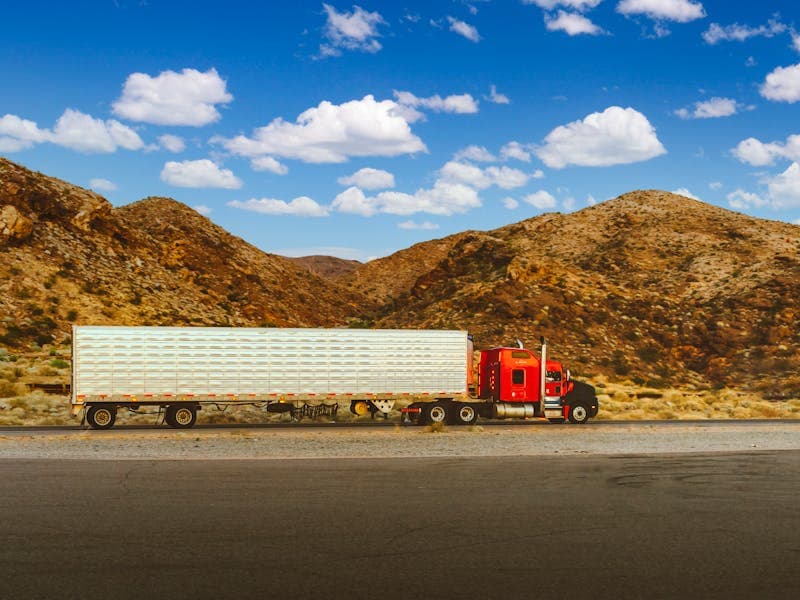
18-Wheeler Accident
Advocating for trucking accident victims

Truck Accident
Specialized truck accident representation

Motorcycle Accident
Dedicated advocacy for injured riders
More Related Practice Areas and Cities
Helpful Reading for West Texas Clients
Types of Compensation in Texas Personal Injury Cases
Understanding what damages you can recover helps you evaluate settlement offers. Learn about economic and non-economic damages.
Legal GuideHow Long Do I Have to File a Personal Injury Lawsuit in Texas?
Missing the deadline to file your lawsuit can bar you from recovering any compensation. Learn about Texas statute of limitations.
Legal GuideUnderstanding Medical Bills After an Accident
After an accident, medical bills can pile up fast. Understanding who pays, how insurance works, and what a letter of protection means can protect your financial future and your legal claim.
Cities We Serve Near West Texas




Frequently Asked Questions in West Texas
The order of operations is medical care, then evidence, then counsel. A trauma evaluation at Midland Memorial Hospital or a comparable West Texas facility creates the contemporaneous record that supports a future claim, especially when the injury is something like Back injuries from lifting, pulling, and carrying that can be missed on a roadside check. Once you are stable, photograph everything you can and write down what you remember while the details are fresh. Insurance adjusters will call quickly. A short call with a lawyer before that conversation almost always changes the trajectory of the case.
The Multiple Counties district courts have civil jurisdiction over personal injury actions, and the case would most likely be filed at Midland County Courthouse, 500 N Loraine St, Midland, TX 79701. From filing through trial, our firm runs cases in front of these judges on a regular basis. That continuity matters when it comes to scheduling, evidentiary rulings, and the timing of settlement negotiations.
Trauma care in West Texas is concentrated at facilities including Midland Memorial Hospital, Medical Center Hospital (Odessa), and University Medical Center of El Paso (Level I Trauma Center). Common injuries treated at these centers include Back injuries from lifting, pulling, and carrying, Broken bones from falls and equipment accidents, and Repetitive stress injuries from manual labor. Choosing a hospital with experience in your specific injury type can affect both your recovery and the medical documentation that supports your claim.
Texas Civil Practice and Remedies Code Section 16.003 sets a two-year statute of limitations on most personal injury claims. The clock usually starts on the date of injury. Exceptions apply for minors, discovery-rule cases, and claims against government entities. Consult an attorney promptly to preserve your options.
Yes. The corridor along I-20 and the area around I-20 between Midland and Odessa (one of the most dangerous stretches of highway in Texas due to oil field truck traffic) produce a disproportionate share of the workplace injury matters that come into our office out of West Texas. The most common precipitating factor we encounter is Unsafe working conditions tolerated by management. Our investigation usually starts with the crash or incident report, pulls in any nearby surveillance footage, and reaches out to witnesses while their memories are still reliable.
It does. Multiple Counties courts have their own scheduling preferences, and the judges at Midland County Courthouse, 500 N Loraine St, Midland, TX 79701 hear certain arguments differently than judges elsewhere. A lawyer who lives and works in West Texas also understands the neighborhoods that shape jury composition, places like the broader community, and the lived experience that influences how a panel hears a case. Out-of-county counsel can do the work, but the home-field knowledge often shows up in the verdict.
Bring Your West Texas Workplace Injury Case to a Firm That Tries Them
Evidence fades. Witnesses move. Adjusters lock in their position. Our West Texas workplace injury attorneys will review your case at no cost, and you owe us nothing unless we recover.