Austin Burn Injury Lawyer
Burn injuries cause excruciating pain and often require multiple surgeries. We pursue compensation for medical treatment, scarring, and long-term psychological effects.
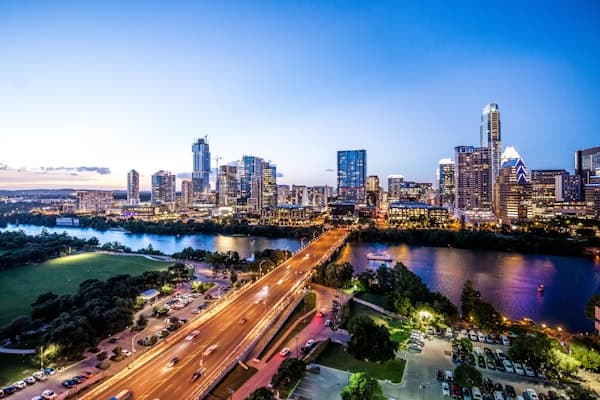
As the capital of Texas and one of the fastest-growing cities in the nation, Austin sees thousands of accidents each year. Our attorneys are familiar with local courts, judges, and the unique challenges of pursuing injury claims in the Austin area.
We serve accident victims throughout Austin, including Downtown, South Congress, East Austin, North Austin, South Austin, West Lake Hills, Mueller, Domain, Barton Hills, Zilker.
Serving Austin
Attorney Israel Medina handles your case personally
You speak directly with your attorney
Central Texas
Travis County
No Fee Unless We Win
Free consultation available
24/7 Availability
We’re here when you need us
A Burn Injury Law Firm Built for Austin
Medina & Medina handles burn injury cases for clients across Central Texas, where the Travis County courts have their own pace, their own customs, and their own expectations of trial counsel. A serious injury in Austin deserves a lawyer who walks into those courtrooms on a regular basis. Our consultations are free, and we charge nothing unless we win the recovery.
The Case for Hiring a Austin Burn Injury Attorney Who Works Here
- Familiarity with Austin courts, judges, and local legal procedures
- Knowledge of dangerous corridors in Austin, including I-35 and US-183 (Research Blvd)
- Established relationships with trusted local medical providers and expert witnesses
- Convenient access for in-person meetings at our office near Austin
Medina & Medina combines local expertise with proven results across Central Texas. We offer free consultations to every Austin victim and charge no fee unless we win your case.
Compensation for Burn Injury Victims in Austin
Medical Expenses
All treatment costs related to your injury
Lost Income
Wages lost while recovering
Pain & Suffering
Compensation for physical and emotional distress
Future Damages
Long-term care and lost earning capacity
Texas Statute of Limitations
Texas Civil Practice and Remedies Code Section 16.003 gives most injury victims two years from the date of the incident to file suit. Delay can be fatal to a case. Talk to a lawyer now while the evidence is still fresh.
Burn Injury Cases in Austin
Burn Injury cases in Austin frequently arise along major corridors including I-35, US-183 (Research Blvd), MoPac Expressway (Loop 1), US-290 East. Austin has a population of over 1 million residents, making it the fourth largest city in Texas
High-risk areas in Austin include I-35 corridor through downtown Austin, US-183 and MoPac interchange, Ben White Blvd (TX-71) and S Lamar Blvd intersection, N Lamar Blvd and US-183 intersection, FM 2222 (Bull Creek Road) through the hills. If you have been injured near any of these locations, our attorneys can help.
- Austin is one of the fastest-growing major cities in the U.S., adding tens of thousands of new residents each year
- Travis County reported over 18,000 total traffic crashes in recent years, with thousands resulting in injuries
Understanding Burn Injury Cases
Common Causes
In Austin, burn injury cases often trace back to conditions on I-35 and near I-35 corridor through downtown Austin. Local drivers and pedestrians encounter these specific risks when navigating these corridors.
- Vehicle fires following collisions
- Explosions at industrial facilities or construction sites
- Defective consumer products that overheat or ignite
- Chemical burns from hazardous materials at work
- Electrical burns from faulty wiring or equipment
- Scalding from hot liquids at restaurants or commercial establishments
Typical Injuries
Accident victims in Austin are typically transported to trauma centers including Dell Seton Medical Center at The University of Texas (Level I Trauma Center). The following injuries are common outcomes of these incidents.
- Second and third degree burns requiring skin grafts
- Permanent scarring and disfigurement
- Respiratory damage from smoke or chemical inhalation
- Infection complications from compromised skin barriers
- Contractures limiting joint mobility during healing
- Severe psychological trauma and post traumatic stress disorder
Establishing Liability
For burn injury claims filed in Travis, liability often turns on evidence gathered from specific Austin locations, including I-35 corridor through downtown Austin.
Burn injury cases require identifying the source of the fire, explosion, or chemical exposure and determining who was responsible for preventing it. Product manufacturers can be liable for defective designs that create fire hazards, while employers and property owners can be liable for failing to maintain safe conditions. The severity of burn injuries and the extensive treatment required make these cases high value claims that demand thorough investigation and expert support.
Relevant Texas Law
Residents of Austin pursue these claims under the same Texas statutes that govern all state personal injury actions.
Texas Civil Practice and Remedies Code allows recovery of all medical expenses including the multiple surgeries, skin grafts, and years of scar revision treatment that burn victims typically require. Product liability claims for defective products causing burns are governed by Texas Civil Practice and Remedies Code Chapter 82. When employer negligence causes workplace burns, injured workers may pursue third party claims in addition to workers compensation benefits under Texas Labor Code Chapter 417.
Ready to discuss your case?
Free consultation. No fee unless we win.
Local Resources and Courts in Austin
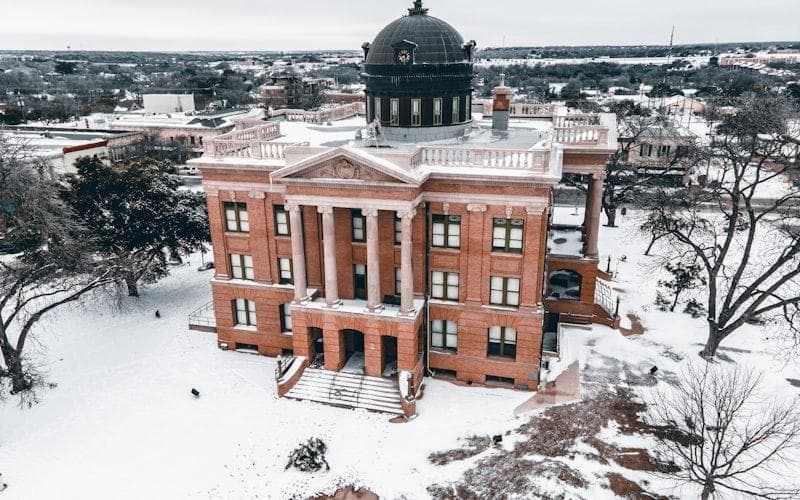
Travis County Civil Courthouse, 1700 Guadalupe St, Austin, TX 78701
Personal injury civil cases in Austin are filed in the Travis County District Courts. Travis County has multiple district courts handling civil matters, located at the Travis County Civil Courthouse in downtown Austin.
Nearby Hospitals and Trauma Centers
- Dell Seton Medical Center at The University of Texas (Level I Trauma Center)
- St. David's South Austin Medical Center
- Ascension Seton Medical Center Austin
- St. David's North Austin Medical Center
Free Case Evaluation
Get a free review of your case in minutes.
Or call now
(512) 500-2810Why These Cases Matter in Austin
Burn injury cases in Austin compress a large set of medical and legal complexity into a small number of high-stakes claims. The core categories of burn mechanism are thermal contact, electrical contact, chemical exposure, and friction. Each produces a different injury profile and a different defendant pool. Thermal burns dominate the case volume, with sources ranging from cooking equipment failures to commercial fires to scalding from hot beverages and bath water. Electrical burns concentrate in construction and industrial settings where high-voltage exposure produces tissue death well beyond the visible contact point.[1] Chemical burns appear in industrial cleaning, agricultural chemical exposure, and consumer product cases where the warning labels did not match the actual hazard.
The medical trajectory in a serious burn case is long and structured. Initial stabilization at a Level I trauma center, transfer to a verified burn center for specialty care, debridement of necrotic tissue, skin grafting in stages, and rehabilitation with both physical therapy and mental health support. The American Burn Association verifies burn centers nationally based on staffing, equipment, and outcomes data, and the verified burn center designation is a meaningful quality marker.[2] In Austin, St. David's Burn Center provides the regional burn specialty care, and Dell Seton Medical Center handles the acute trauma stabilization. Patients with extensive burns or burns to functionally critical areas often require transfer to dedicated burn centers in Galveston (UTMB Blocker Burn Unit) or San Antonio (US Army Institute of Surgical Research at Brooke Army Medical Center) for specialty work that exceeds Austin's capacity.
Burn injuries are quantified by total body surface area (TBSA) using the rule of nines or Lund Browder charts, and by depth ranging from superficial epidermal (first degree) through partial thickness (second degree, superficial and deep) to full thickness (third degree) and to deep tissue involvement (fourth degree). A burn case with greater than twenty percent TBSA in adults or ten percent in children typically routes to a burn center, and the percentage drives the immediate medical response and the long term damages picture. The ABA injury severity tables provide actuarial benchmarks for medical billing, length of stay, and rehabilitation timelines that life care planners use in damages projections.
The legal posture in a burn case turns on the mechanism category. Premises liability cases involving fires implicate fire suppression code compliance under the National Fire Protection Association standards adopted by City of Austin Fire Code, sprinkler functionality, alarm systems, exit visibility, and management's response time. Products liability cases involve the manufacturer of the heating device, the vape, the hot beverage container, the chemical product, or the electrical appliance, and frequently involve federal regulatory standards from the Consumer Product Safety Commission. Workplace burn cases involve workers compensation against the employer plus third party negligence claims against equipment manufacturers, subcontractors, and premises owners. Texas applies the standard two year statute of limitations, the modified comparative fault framework, and the no cap rule on personal injury non economic damages to burn cases.[3]
Travis County juries take burn injury cases seriously when the injury photographs and videos are presented carefully and the long term care plan is constructed credibly. We document the burn progression from initial presentation through skin grafting and rehabilitation, retain treating physicians and burn specialists as expert witnesses, and coordinate with life care planners and vocational experts for the future damages projection. The settlement value in a serious burn case turns on the combination of TBSA, location of burns, age of the patient, and the credibility of the medical and economic projections.
Local Risk Factors
- Commercial cooking equipment failures and restaurant kitchen fires in the Austin food service industry, particularly the high-volume operations on E. 6th Street, Rainey Street, the Domain, S. Lamar, and S. Congress where equipment cycles run hard and maintenance gaps appear
- Electrical contact and arc flash injuries on Austin construction sites, particularly the I-35 Capital Express work and the tech campus build-outs in North Austin where subcontractor coordination failures produce energized equipment exposures
- Chemical exposure in industrial cleaning, agricultural chemicals, and consumer product accidents where the warning labels did not match the actual hazard or the SDS information was not provided in Spanish for the affected workforce
- Vape, e-cigarette, and lithium-ion battery thermal events producing facial and hand burns, with product manufacturer and retailer liability where the device was defective at sale
- Hot beverage and food service scalding cases, including drive-through and counter service operations where the dispenser temperatures exceeded the standards established in Liebeck v. McDonald's and subsequent product liability cases
- Apartment complex and multifamily fire cases involving sprinkler failures, alarm system failures, exit blockages, or improperly maintained electrical systems creating premises liability exposure for the property owner and management
Where Austin Victims Recover
St. David's Burn Center
specialty
Burn specialty program in Austin treating thermal, chemical, and electrical burn victims. The medical team performs the multi-surgery treatment course typical of significant burn cases, with records central to the damages presentation.
Dell Seton Medical Center at The University of Texas
trauma
The only adult Level I Trauma Center in the eleven county Central Texas region. Initial stabilization for severe burn injuries before transfer to specialty burn centers. Records anchor the early causation narrative.
American Burn Association verified burn centers
specialty
ABA verified burn centers including UTMB Blocker Burn Unit in Galveston and the US Army Institute of Surgical Research at Brooke Army Medical Center in San Antonio. Severe burn cases beyond Austin's capacity transfer to these regional facilities.
Austin and Travis County mental health providers
support
Mental health providers experienced with PTSD, depression, and body image impacts of burn injury, particularly in adolescent and young adult clients where the mental health trajectory is decades long.
How Else We Help in Austin

Traumatic Brain Injury
Advocating for brain injury survivors

Spinal Cord Injury
Paralysis and spinal injury claims

Wrongful Death
Compassionate representation for grieving families
Amputation Injury
Limb loss and amputation claims
Car Accident
Expert legal help for car crash victims

18-Wheeler Accident
Advocating for trucking accident victims

Truck Accident
Specialized truck accident representation

Motorcycle Accident
Dedicated advocacy for injured riders
More Related Practice Areas and Cities
Helpful Reading for Austin Clients
Types of Compensation in Texas Personal Injury Cases
Understanding what damages you can recover helps you evaluate settlement offers. Learn about economic and non-economic damages.
Legal GuideWhat Damages Can I Recover in a Texas Personal Injury Case
Texas law allows injured people to recover compensation for a wide range of losses, from medical bills and lost wages to pain and suffering and loss of enjoyment of life. Understanding the categories of damages available to you is essential to knowing what your case is worth.
Legal GuideWhat is Maximum Medical Improvement and Why It Matters
Insurance companies often pressure injured Texans to settle before their doctors have determined the full extent of their injuries. Understanding Maximum Medical Improvement (MMI) is essential to making sure you receive fair compensation for all of your medical needs, both present and future.
Cities We Serve Near Austin





Frequently Asked Questions in Austin
After an incident near I-35 or I-35 corridor through downtown Austin in Austin, seek immediate medical care at a trauma center such as Dell Seton Medical Center at The University of Texas (Level I Trauma Center). Second and third degree burns requiring skin grafts is a common outcome in these cases and requires prompt evaluation. Preserve evidence at the scene, photograph your injuries and the location, and consult an experienced attorney before speaking with any insurance adjuster.
Most personal injury cases brought by clients in Travis are filed in the county district courts, with Travis County Civil Courthouse, 1700 Guadalupe St, Austin, TX 78701 serving as the principal venue. Each Travis bench runs its docket a little differently, and the local rules on scheduling, mediation, and pre-trial conferences vary from court to court. Our attorneys are in those courtrooms often enough that we plan around those rhythms rather than reacting to them.
The Austin medical network handling acute injuries from incidents like this one centers around Dell Seton Medical Center at The University of Texas (Level I Trauma Center), St. David's South Austin Medical Center, and Ascension Seton Medical Center Austin. Diagnoses we see again and again in these intake records include Second and third degree burns requiring skin grafts, Permanent scarring and disfigurement, and Respiratory damage from smoke or chemical inhalation. We work directly with the records departments at each of these facilities, which is part of why our timelines for assembling a medical chronology run shorter than what most clients expect.
The general rule is two years from the date of the injury, under Section 16.003 of the Texas Civil Practice and Remedies Code. The clock can run on a different schedule when the claimant is a minor, when the injury was not reasonably discoverable until later, or when a government entity is involved, where notice deadlines can fall as early as six months. The cleanest way to know exactly where the clock stands in your case is a short call with a lawyer who can look at the dates.
There is no single cause, but Vehicle fires following collisions comes up often enough in the Austin cases we handle that it is one of the first things we look for. Geographically, I-35 and I-35 corridor through downtown Austin are recurring locations, and the conditions specific to those places, road design, traffic volume, lighting, and signage, all factor into liability. We build the evidentiary record with crash reports, witness statements, and any available video before adjusters can lock in their version of events.
A local attorney in Austin brings knowledge of Travis, the bench at Travis County Civil Courthouse, 1700 Guadalupe St, Austin, TX 78701, and the specific neighborhoods where our clients live, including Downtown, South Congress, and East Austin. That local grounding helps with venue strategy, witness interviews, and communication with juries who reflect the community.
Get a Free Austin Burn Injury Case Review
A short, free conversation is all it takes to know where you stand. Our Austin burn injury team handles cases on contingency, which means we get paid only when you do.