Dallas Rear-End Collision Lawyer
Rear-end accidents can cause serious neck and back injuries. Even seemingly minor crashes can result in long-term problems. We work to secure the full compensation.
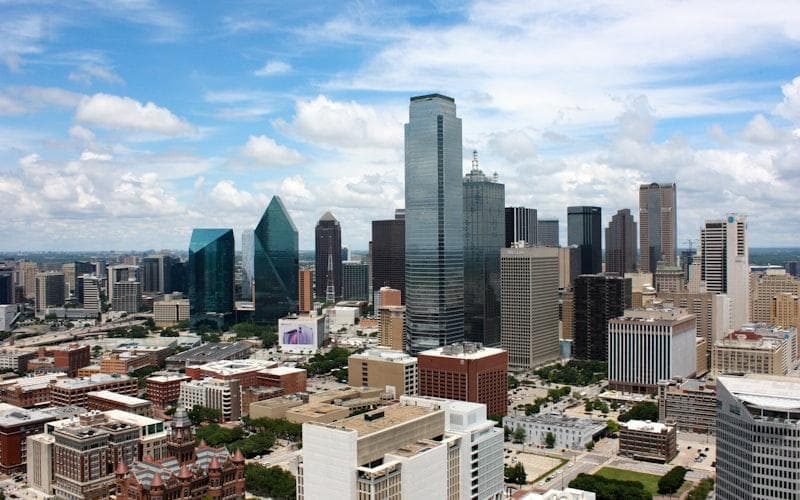
Dallas is one of the largest cities in Texas with complex highway systems and high traffic volume. Our attorneys handle serious injury cases throughout the Dallas-Fort Worth metroplex.
Serving Dallas
Attorney Israel Medina handles your case personally
You speak directly with your attorney
North Texas
Dallas County
No Fee Unless We Win
Free consultation available
24/7 Availability
We’re here when you need us
Dallas Rear-End Collision Attorneys for Texas Injury Victims
Hurt in a rear-end collision somewhere in Dallas? The next decision you make matters more than the last one. Medina & Medina represents injury clients across North Texas, regularly appearing in the Dallas County courts that will decide your case. We will look at it for free, and you owe us nothing unless we win.
Why Choose a Local Dallas Rear-End Collision Attorney?
- Familiarity with Dallas courts, judges, and local legal procedures
- Knowledge of dangerous corridors in Dallas, including I-35E and I-30
- Established relationships with trusted local medical providers and expert witnesses
- Convenient access for in-person meetings at our office near Dallas
Medina & Medina combines local expertise with proven results across North Texas. We offer free consultations to every Dallas victim and charge no fee unless we win your case.
Compensation for Rear-End Collision Victims in Dallas
Medical Expenses
All treatment costs related to your injury
Lost Income
Wages lost while recovering
Pain & Suffering
Compensation for physical and emotional distress
Future Damages
Long-term care and lost earning capacity
Texas Statute of Limitations
Texas Civil Practice and Remedies Code Section 16.003 gives most injury victims two years from the date of the incident to file suit. Delay can be fatal to a case. Talk to a lawyer now while the evidence is still fresh.
Rear-End Collision Cases in Dallas
Rear-End Collision cases in Dallas frequently arise along major corridors including I-35E, I-30, US-75 (Central Expressway), I-635 (LBJ Freeway). Dallas has a population of approximately 1.3 million residents, making it the third largest city in Texas and ninth largest in the United States
High-risk areas in Dallas include I-35E and I-30 (Mixmaster) interchange, I-635 (LBJ Freeway) corridor, US-75 (Central Expressway) through North Dallas, I-30 through East Dallas, Stemmons Freeway (I-35E) near the Design District. If you have been injured near any of these locations, our attorneys can help.
- Dallas County consistently ranks among the top counties in Texas for traffic fatalities, with over 200 fatalities in recent years
- The Dallas-Fort Worth metroplex is one of the fastest-growing metro areas in the nation, with over 7.5 million residents in the combined metro
Understanding Rear-End Collision Cases
Common Causes
In Dallas, rear-end collision cases often trace back to conditions on I-35E and near I-35E and I-30 (Mixmaster) interchange. Local drivers and pedestrians encounter these specific risks when navigating these corridors.
- Tailgating and following too closely
- Distracted driving and texting while approaching stopped traffic
- Sudden stops in heavy traffic or construction zones
- Brake failure from poor vehicle maintenance
- Driving too fast for road or weather conditions
- Inattention at red lights and stop signs
Typical Injuries
Accident victims in Dallas are typically transported to trauma centers including Parkland Memorial Hospital (Level I Trauma Center). The following injuries are common outcomes of these incidents.
- Whiplash and cervical strain
- Herniated discs in the cervical and lumbar spine
- Concussions from head striking the headrest or steering wheel
- Shoulder injuries from seatbelt restraint forces
- Temporomandibular joint (TMJ) injuries
- Chronic headaches and migraines
Establishing Liability
For rear-end collision claims filed in Dallas, liability often turns on evidence gathered from specific Dallas locations, including I-35E and I-30 (Mixmaster) interchange.
In rear end collision cases, the trailing driver is presumed to be at fault because all drivers have a duty to maintain a safe following distance. This presumption can be rebutted in limited circumstances, such as when the lead vehicle suddenly reverses or has nonfunctioning brake lights. Insurance companies often try to minimize rear end collision claims by arguing the injuries are minor, making it important to document all symptoms and follow through with medical treatment.
Relevant Texas Law
Residents of Dallas pursue these claims under the same Texas statutes that govern all state personal injury actions.
Texas Transportation Code Section 545.062 requires drivers to maintain an assured clear distance ahead, which forms the legal basis for rear end collision liability. Even low speed rear end impacts can cause significant injuries, and Texas courts have consistently held that there is no minimum speed threshold for a valid personal injury claim. The two year statute of limitations under Texas Civil Practice and Remedies Code Section 16.003 applies to all rear end collision injury claims.
Ready to discuss your case?
Free consultation. No fee unless we win.
Local Resources and Courts in Dallas
George L. Allen Sr. Courts Building, 600 Commerce St, Dallas, TX 75202
Personal injury civil cases in Dallas are filed in the Dallas County District Courts. Dallas County has numerous district courts handling civil matters, housed primarily at the George Allen Courts Building in downtown Dallas.
Nearby Hospitals and Trauma Centers
- Parkland Memorial Hospital (Level I Trauma Center)
- Baylor University Medical Center
- UT Southwestern Medical Center
- Texas Health Presbyterian Hospital Dallas
Free Case Evaluation
Get a free review of your case in minutes.
Or call now
(512) 500-2810How Else We Help in Dallas
Car Accident
Expert legal help for car crash victims

18-Wheeler Accident
Advocating for trucking accident victims

Truck Accident
Specialized truck accident representation

Motorcycle Accident
Dedicated advocacy for injured riders

Traumatic Brain Injury
Advocating for brain injury survivors
Spinal Cord Injury
Paralysis and spinal injury claims

Wrongful Death
Compassionate representation for grieving families
Amputation Injury
Limb loss and amputation claims
More Related Practice Areas and Cities
Helpful Reading for Dallas Clients
Common Injuries in Rear End Collisions
Rear end collisions are the most common type of car accident in Texas, and the injuries they cause are often more serious than people expect. From whiplash to herniated discs to traumatic brain injuries, the forces generated in a rear end crash can cause lasting damage even at low speeds.
Car AccidentsWhat to Do Immediately After a Car Accident in Texas
The steps you take immediately after a car accident can significantly impact your injury claim. Learn what to do to protect your rights.
TipsThe Importance of Seeking Medical Treatment After an Accident
Delaying medical treatment after a car accident can destroy your personal injury claim. Insurance companies will use any gap in treatment to argue that you were not seriously hurt. Getting prompt, consistent care protects both your health and your legal rights.
Cities We Serve Near Dallas





Frequently Asked Questions in Dallas
After an incident near I-35E or I-35E and I-30 (Mixmaster) interchange in Dallas, seek immediate medical care at a trauma center such as Parkland Memorial Hospital (Level I Trauma Center). Whiplash and cervical strain is a common outcome in these cases and requires prompt evaluation. Preserve evidence at the scene, photograph your injuries and the location, and consult an experienced attorney before speaking with any insurance adjuster.
Civil claims of this type filed in Dallas are heard in the county district courts. The primary venue is George L. Allen Sr. Courts Building, 600 Commerce St, Dallas, TX 75202. Our attorneys practice regularly in these courts and are familiar with the local procedures and scheduling norms.
The Dallas medical network handling acute injuries from incidents like this one centers around Parkland Memorial Hospital (Level I Trauma Center), Baylor University Medical Center, and UT Southwestern Medical Center. Diagnoses we see again and again in these intake records include Whiplash and cervical strain, Herniated discs in the cervical and lumbar spine, and Concussions from head striking the headrest or steering wheel. We work directly with the records departments at each of these facilities, which is part of why our timelines for assembling a medical chronology run shorter than what most clients expect.
Yes. For most rear-end collision cases in Texas, the law allows two years from the date of the injury to file suit. After that, even a strong case is generally barred. Minors, discovery-rule cases, and claims involving public entities run on different clocks, sometimes much shorter ones in the case of governmental defendants. Do not let a missed notice deadline kill an otherwise solid case.
Yes. The corridor along I-35E and the area around I-35E and I-30 (Mixmaster) interchange produce a disproportionate share of the rear-end collision matters that come into our office out of Dallas. The most common precipitating factor we encounter is Tailgating and following too closely. Our investigation usually starts with the crash or incident report, pulls in any nearby surveillance footage, and reaches out to witnesses while their memories are still reliable.
It does. Dallas courts have their own scheduling preferences, and the judges at George L. Allen Sr. Courts Building, 600 Commerce St, Dallas, TX 75202 hear certain arguments differently than judges elsewhere. A lawyer who lives and works in Dallas also understands the neighborhoods that shape jury composition, places like the broader community, and the lived experience that influences how a panel hears a case. Out-of-county counsel can do the work, but the home-field knowledge often shows up in the verdict.
Bring Your Dallas Rear-End Collision Case to a Firm That Tries Them
Tell us what happened. A Dallas rear-end collision lawyer at our firm will look at your case for free, give you a straight answer on what it is worth, and only take a fee if we put money in your hands.